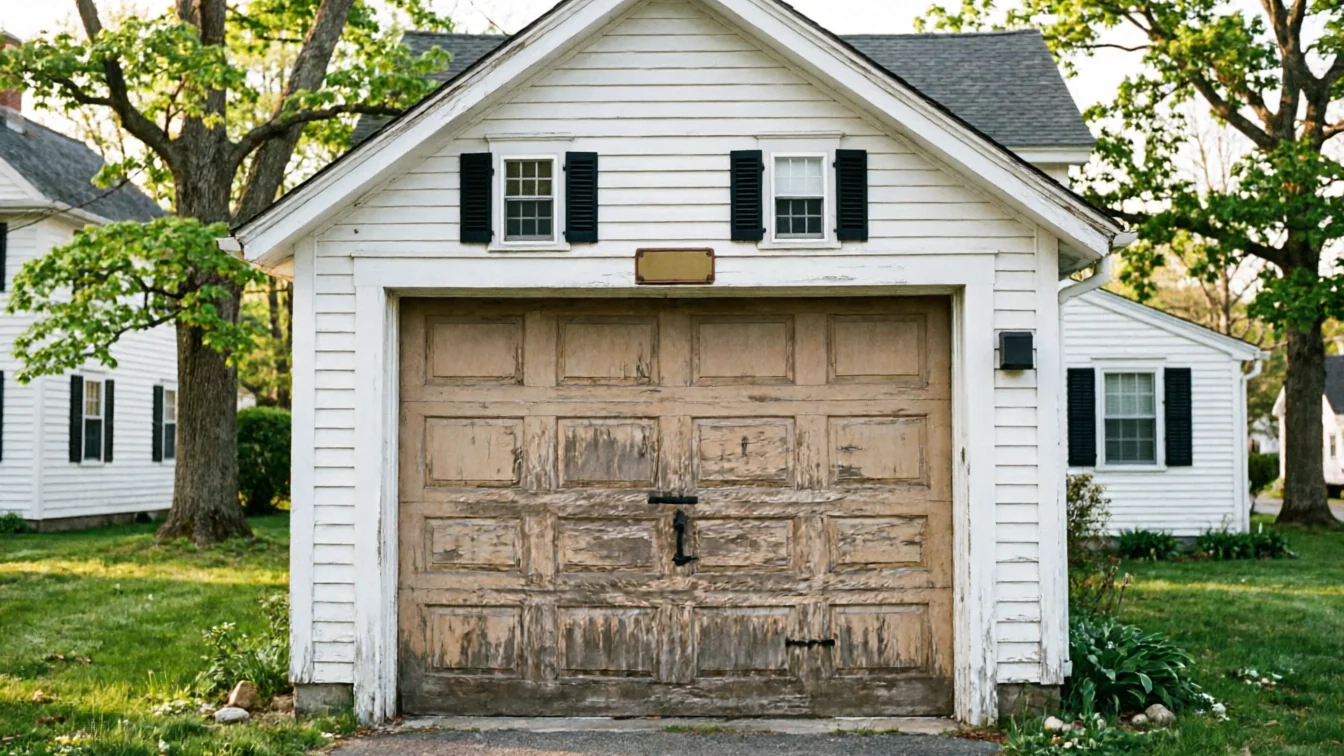
 Is Your Baltimore Garage Door Worth Fixing, or Done
Most Baltimore-area houses date to the 1960s-70s boom.
BlogBaltimore, MD · 4 min read
Replacing a Garage Door in a Baltimore-Era House
Most houses here went up between 1955 and 2014, with a lot of 1960s and 70s stock, shaping the door sizes and track setups you'll run into replacing a door.
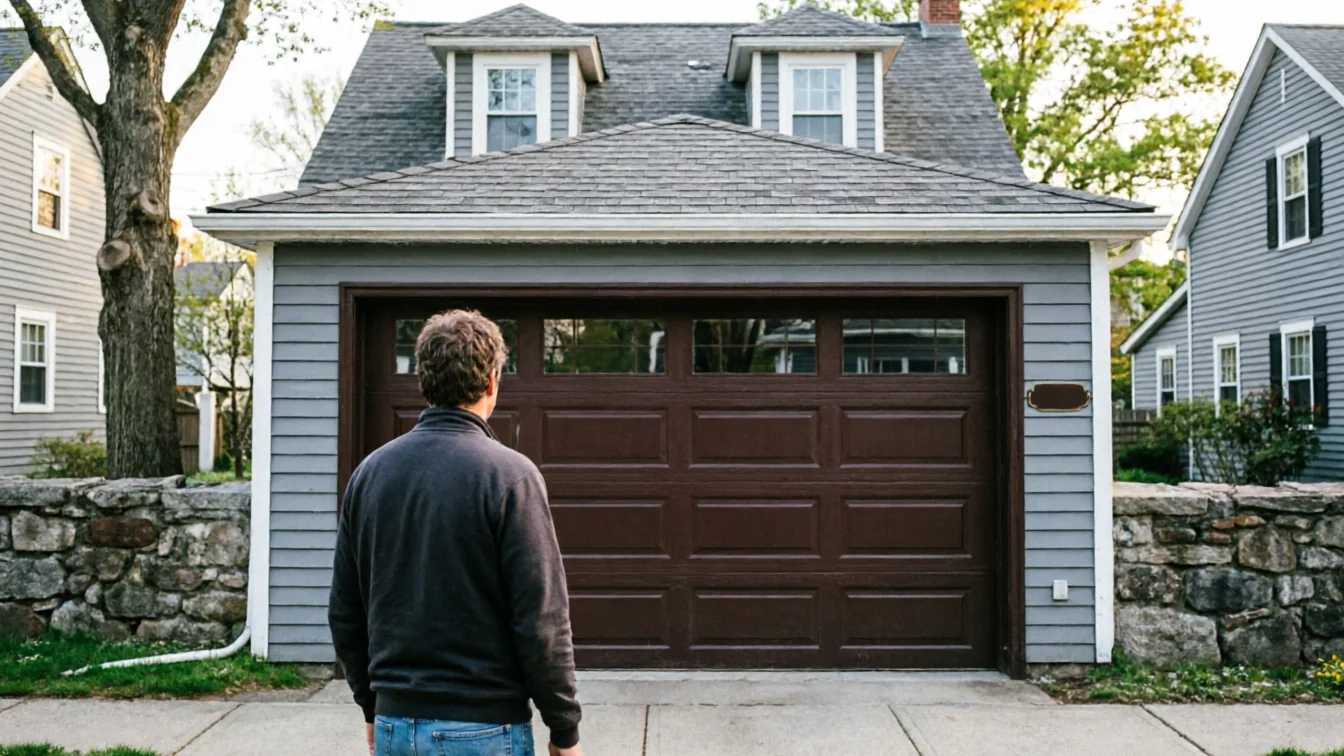
Local detail
How Local Conditions Play In
Baltimore sits in a cold-severe climate band, and that changes what a replacement door needs to do for you. A door that's fine in a mild climate can leave a garage cold enough that pipes along that wall feel it, or that whatever's stored against the shared wall with the house picks up the chill. If your garage backs onto a mudroom, laundry room, or finished space, the insulation rating on the new door isn't a nice-to-have, it's the reason you're replacing the old one in the first place. Steel doors with a foam core and a tighter bottom seal hold up better through a Baltimore winter than the single-layer doors that came standard on a lot of houses in this area decades ago. Cold also stiffens grease, tightens cable tension, and makes an aging spring more likely to let go on the first really cold morning of the season, which is often when people end up shopping for a new door instead of a repair. None of that is unique to any one street - it's a function of the climate band this whole service area sits in, and it's worth factoring into the door you pick, not just the one that's cheapest to install.
The area
What Is Going On
Across the 58 named communities in this service area - Towson, Catonsville, Parkville, Dundalk, and the rest - housing went up mostly between 1955 and 2014, with the median build year landing around 1978 and the heaviest concentration in 1960s and 70s construction. That matters for a replacement door because openings, header heights, and track clearances from that era weren't standardized the way they are now. A door that's a perfect fit in a house built in 2005 can need shimming, a different track radius, or a non-standard panel height in a house built in 1965. Garages attached in that window were often built to fit the doors sold at the time, not the doors sold now. So when you're buying a replacement, the first real question isn't which brand or which color - it's whether your opening matches a modern standard size or whether you're working around an older rough opening that needs a bit of carpentry before a new door goes in. That's more common here than people expect, simply because so much of the housing stock across this area dates to the same twenty-year stretch.
What we find
What Most People Get Wrong
The mistake we see most is someone ordering a door based on the opening they measured without checking what's behind the trim. A house from the 1960s or 70s often has original wood jambs that have shifted slightly over fifty-plus years - not enough to notice day to day, but enough that a door squared to factory tolerances won't sit right without adjustment. People also assume any double-wide door will drop into any double-wide opening, which isn't true once you're dealing with the header heights and track clearances common in older Baltimore-area construction. The other thing people get wrong is treating insulation as optional because the old door didn't have much. Given the cold-severe climate here, that's backwards - the old door not being insulated is often part of why the garage is uncomfortable or why things stored against that wall take damage over a winter. One honest limitation: we don't carry every non-standard size on the truck, and a true custom width or an odd header height can mean a lead time on the door itself, not just the install. That's worth knowing before you set a date to have the old one pulled out.
How we work
What You Pay
We're not going to quote a number here that isn't tied to your actual door, because the range swings a lot based on size, insulation level, and whether your opening needs carpentry work before a new door fits. What we can tell you is what drives the cost in this area specifically: a standard-size insulated steel door for a 1960s or 70s opening costs less than a custom-width door or one that needs the jamb reworked first, and insulation worth having in a cold-severe climate costs more upfront than a bare single-layer panel but does the job it's bought for. With a median household income of $109,661 across this service area, a lot of owners here are in a position to buy a door that's actually insulated rather than the cheapest option on the shelf, and most do once they see what the old door was costing them in comfort. If your house is on the older end of that 1955-2014 build range, budget a little extra time and a little extra flexibility for the possibility that the opening needs attention before the door does.
Questions
Common questions
Will a new door actually fit my 1960s garage opening?
Maybe without changes, maybe not. A lot of houses built in the 1960s and 70s in this area have openings and jamb framing that don't match today's standard sizes exactly. We measure before we order so you're not stuck with a door that needs on-site modification to hang right.
Does insulation matter that much for a Baltimore garage?
Yes. This area sits in a cold-severe climate band, and an uninsulated door makes a real difference in how cold the garage gets and what that does to anything stored against a shared wall with the house. It's one of the main reasons people replace an older door rather than repair it.
How long does it take to get a replacement door once I order?
Standard sizes usually move faster than custom ones. If your house needs a non-standard width or your opening needs carpentry work first because of its age, that adds lead time. We'll tell you up front if your situation falls into that category.
Recommendation
You Might Also Like
More garage door guides for Baltimore homeowners.
Is Your Baltimore Garage Door Worth Fixing, or Done
Most Baltimore-area houses date to the 1960s-70s boom.
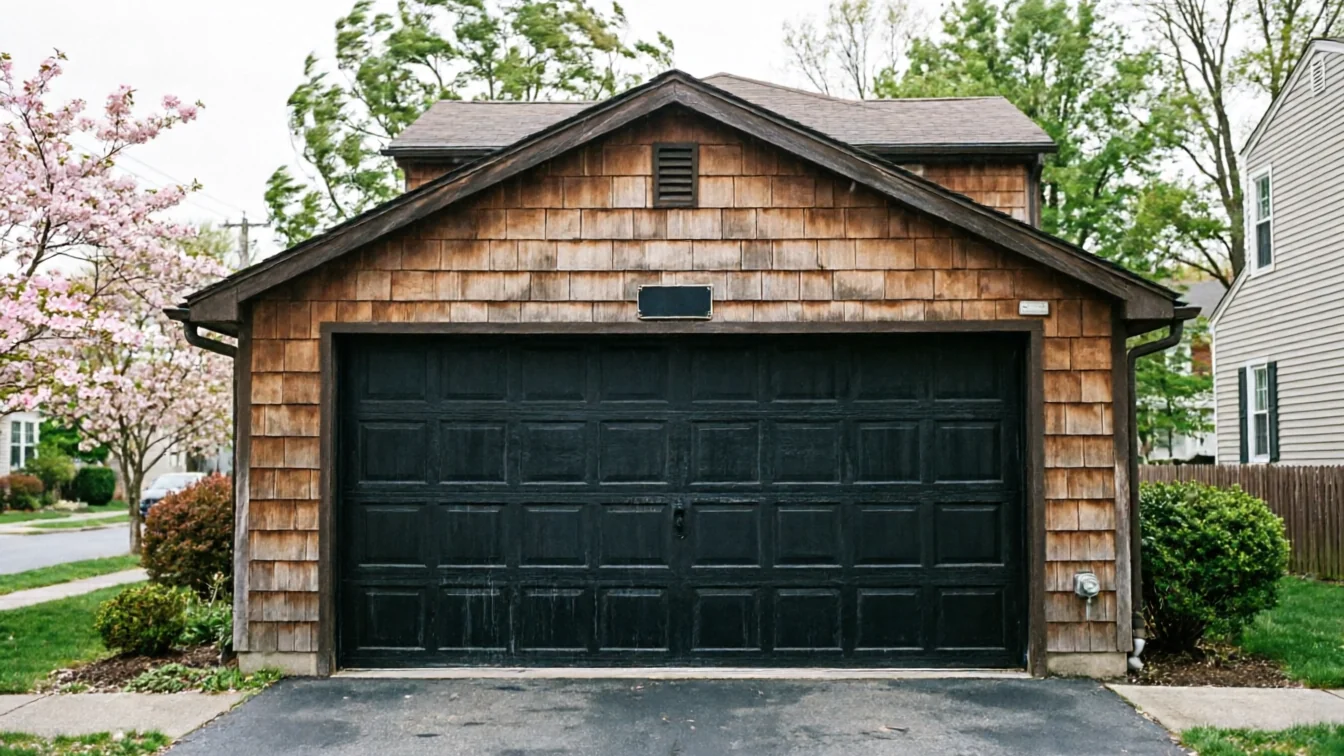 Wind, Wide Doors, and the Houses Baltimore Actually Has
Why wide garage doors on Baltimore's 1960s-70s housing stock struggle with wind, what the cold-severe climate band does to track hardware, and what a repair runs.
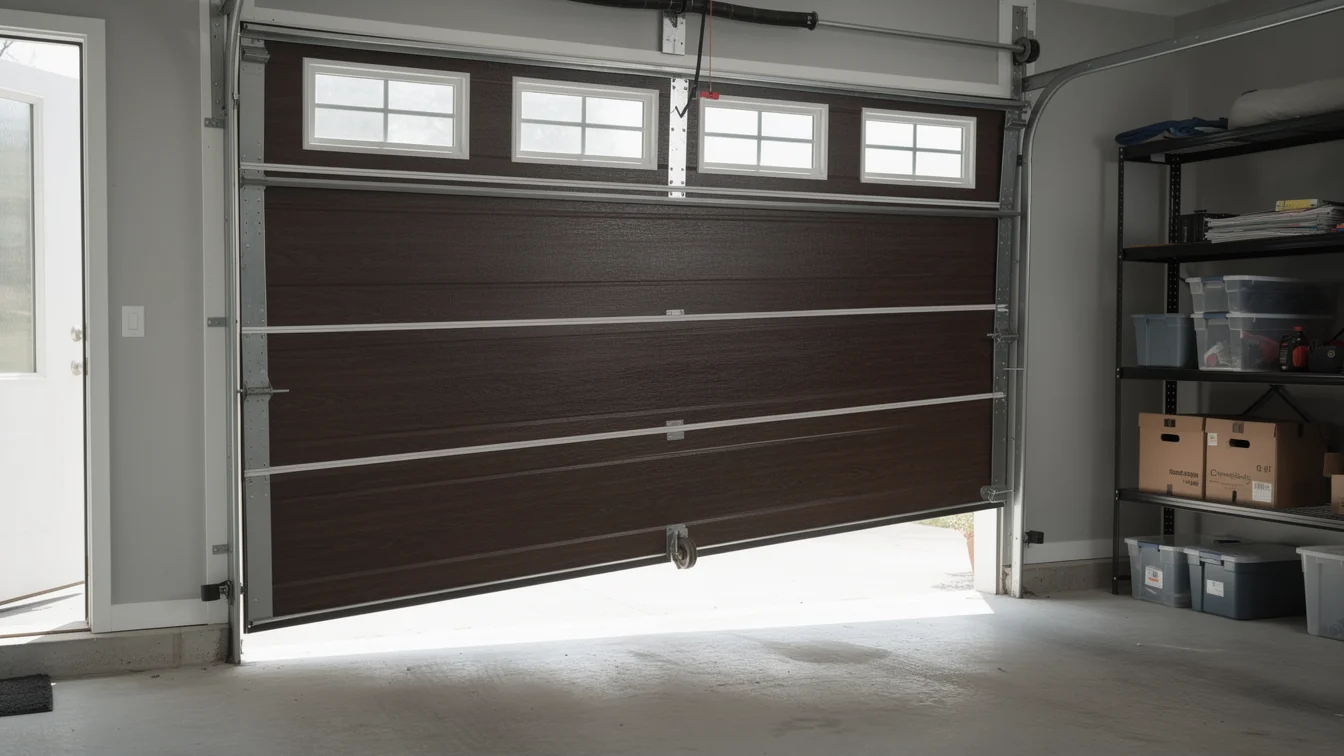 Why a Garage Door Goes Off Track Around Baltimore
Baltimore's 1960s-70s housing stock and cold winters push doors off track in specific ways.
Ready when you are
Need a garage door sorted in Baltimore?
Baltimore Garage Door Pros repairs and installs garage doors, springs and openers in Baltimore, MD and the surrounding area.