 What Baltimore Homeowners Should Know About Pre-Insulation Garage Doors
A look at why so many Baltimore garage doors predate insulation standards, what that means in a cold-severe climate, and how local owners should think about repair versus replacement.
BlogBaltimore, MD · 4 min read
Detached and Attached Garage Doors Mean Different Jobs in Baltimore
How Baltimore's rowhouse alleys and 1960s-70s suburbs changed garage door design, and what that means for fire rating, insulation, and cold-weather performance.
Local detail
How Local Conditions Play In
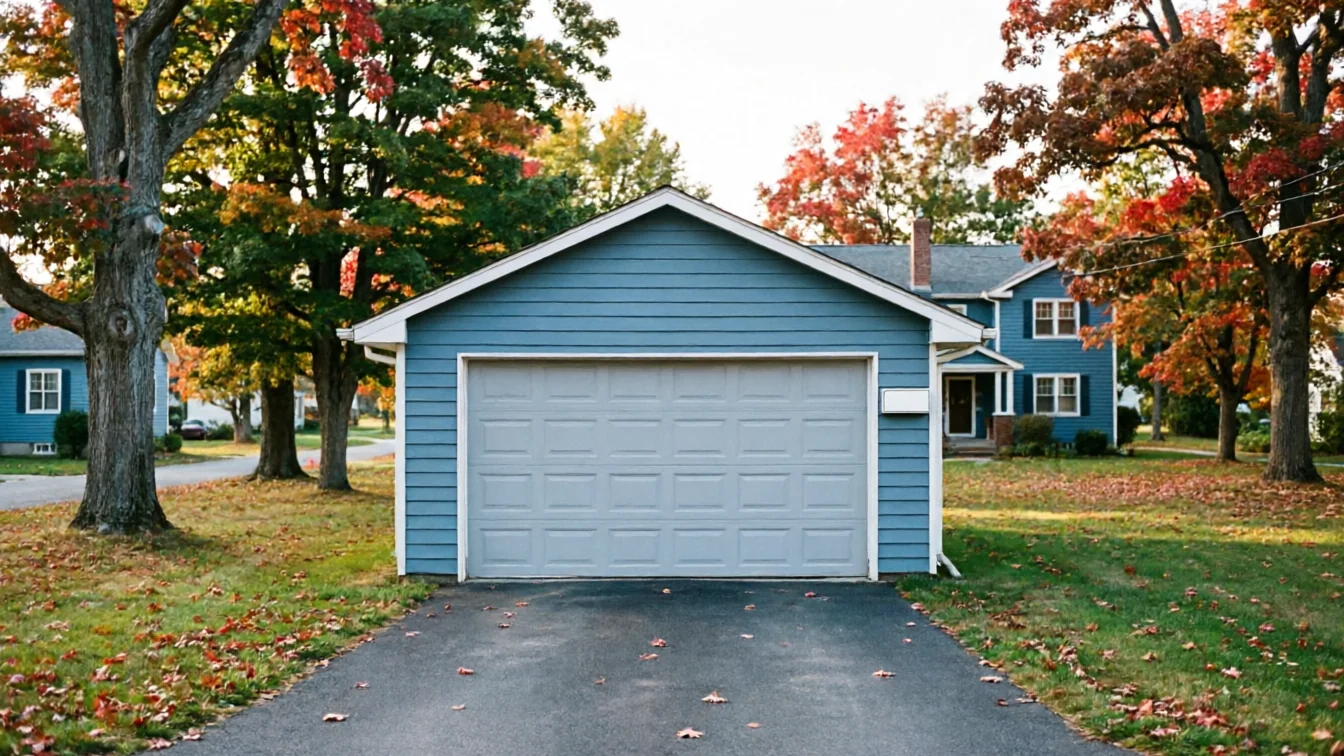
Baltimore's housing didn't all go up on the same blueprint, and that matters more for garage doors than people think. Close to the city, in blocks like Cherry Hill, Brooklyn, and the Fairfield Area, rowhouses were built with the garage detached, set off the back alley, no shared wall with the house at all. Head out to Parkville, Towson, Catonsville, or Perry Hall, where most of the stock dates to the 1960s and 70s split-level and colonial wave, and the garage is usually attached, built into the house as part of the original frame. That split isn't cosmetic. It changes what the door has to do. On top of that, this region sits in a severe cold climate band, so whichever type you've got, the door is working against real winter temperature swings every year, not just the occasional cold snap. A door that's fine on a detached garage in Cherry Hill can be the wrong call entirely on an attached one in Towson, and the reverse is just as true.
The area
What Is Going On
A detached garage, the kind common in Baltimore's older rowhouse blocks, has no shared wall, so the door's only job is keeping weather and intruders out of an unheated box. There's rarely insulation behind the panel because there was never a code reason to put it there. An attached garage, more typical of the 1960s-70s suburban ring - Parkville, Catonsville, Perry Hall, Pikesville - shares a wall or ceiling with living space. That means the door is part of the building's thermal envelope whether the original builder treated it that way or not. With median construction across the service area sitting around 1978, a lot of these attached garages were framed before fire separation requirements for garage-to-house walls were as strict as they are now, and the door and its hardware are often the weak point nobody retrofitted. Same hardware brand, same panel style, two very different jobs depending on which side of this the house falls on.
What we find
What Most People Get Wrong
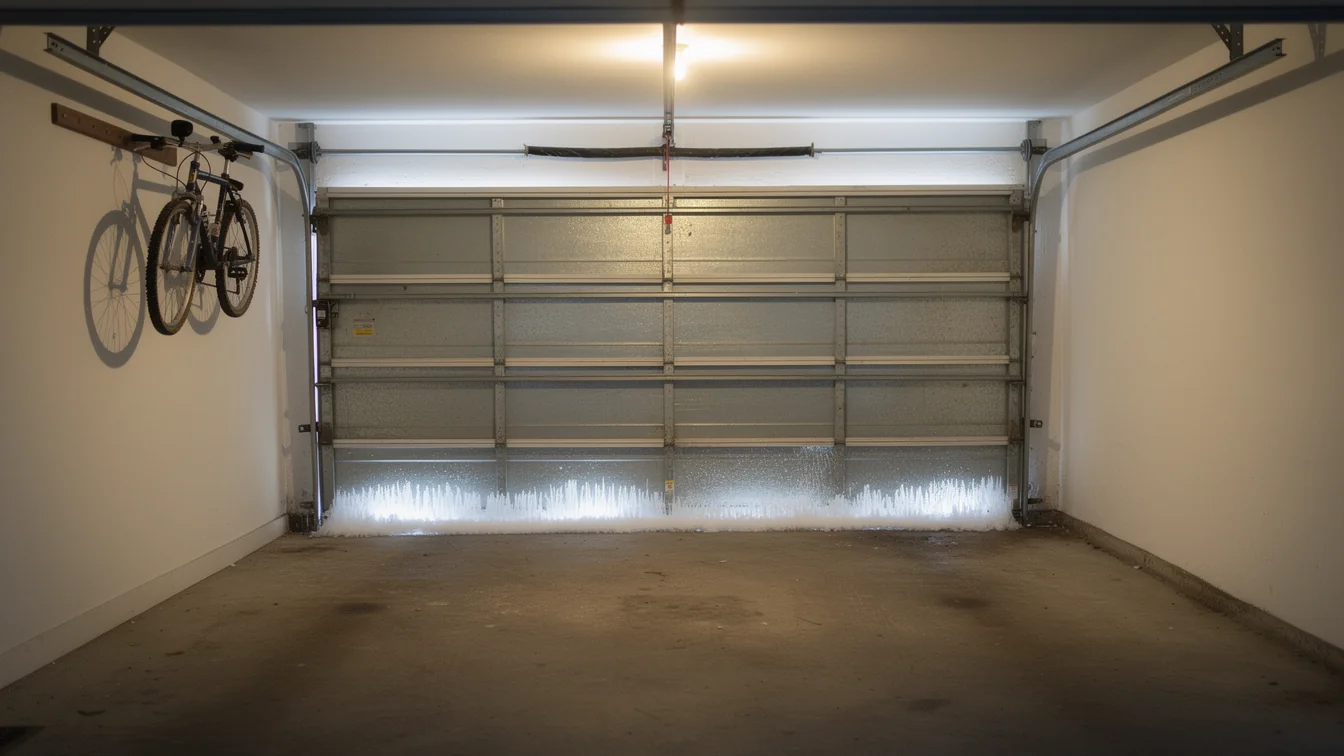
The biggest mistake we see is someone replacing an attached-garage door with whatever matched their neighbor's detached garage, or vice versa, because the house looked similar from the curb. On an attached garage, especially in a house from the 1960s-70s boom around here, the door needs a tighter seal and a fire-rated assembly where it meets the house - that's not optional once you're sharing a wall with a bedroom or a kitchen. On a detached garage, most of the money spent on insulation and thermal breaks is wasted if the structure itself was never built airtight, which is common in the older alley garages near Cherry Hill and Brooklyn. People also assume insulated doors are a universal upgrade. In a severe cold climate they help on an attached garage. On a detached one with no insulation anywhere else in the structure, an insulated door mostly just keeps the door itself from frosting, which is a smaller win than most homeowners expect for what they're paying.
How we work
What You Pay
We don't have set pricing to publish here, and honestly, the detached-versus-attached question is exactly why: a one-car detached door on an older rowhouse garage and a two-car insulated, fire-rated assembly on an attached suburban garage aren't the same job, same materials, or same labor. What we can tell you is that the attached-garage work in neighborhoods like Towson or Perry Hall usually carries more in material cost because of the fire-rated door and the sealing work at the house connection, while detached garage jobs in the older city blocks tend to be simpler structurally but sometimes need frame repair first if the garage itself has settled. Ask for a walk-through quote rather than a phone number - the type of garage changes the number enough that a flat rate would be a guess either way.
Questions
Common questions
Does my attached garage door need to be fire-rated in Baltimore?
If the garage shares a wall or ceiling with living space, which is typical in the 1960s-70s attached-garage stock around Parkville, Towson, and Catonsville, the door and the wall assembly are expected to meet fire separation standards. Older houses from that era weren't always built to today's version of that code, so it's worth having it checked, especially during a replacement.
Is it worth insulating a detached garage door?
It helps less than people expect if the rest of the detached structure, common in the older rowhouse alley garages near Cherry Hill and Brooklyn, was never insulated either. In our severe cold climate it will cut frosting on the door itself, but it won't make the garage warm.
Why does my neighbor's garage door setup look so different from mine?
Probably construction era. Baltimore's housing spans 1955 to 2014 with a lot concentrated in the 1960s-70s suburban build-out, and whether a house got a detached alley garage or an attached one was mostly decided by when and where it was built, not personal choice.
Recommendation
You Might Also Like
More garage door guides for Baltimore homeowners.
What Baltimore Homeowners Should Know About Pre-Insulation Garage Doors
A look at why so many Baltimore garage doors predate insulation standards, what that means in a cold-severe climate, and how local owners should think about repair versus replacement.
 What That Noise Is Actually Telling You
Baltimore's 1960s-70s housing stock and severe cold winters mean specific garage door noises point to specific failures.
 Openers and Power Cuts in Baltimore Garages
Baltimore's older housing stock and severe cold winters mean openers fail at the worst time.
Ready when you are
Need a garage door sorted in Baltimore?
Baltimore Garage Door Pros repairs and installs garage doors, springs and openers in Baltimore, MD and the surrounding area.