 What We Look At First on a Baltimore Service Call
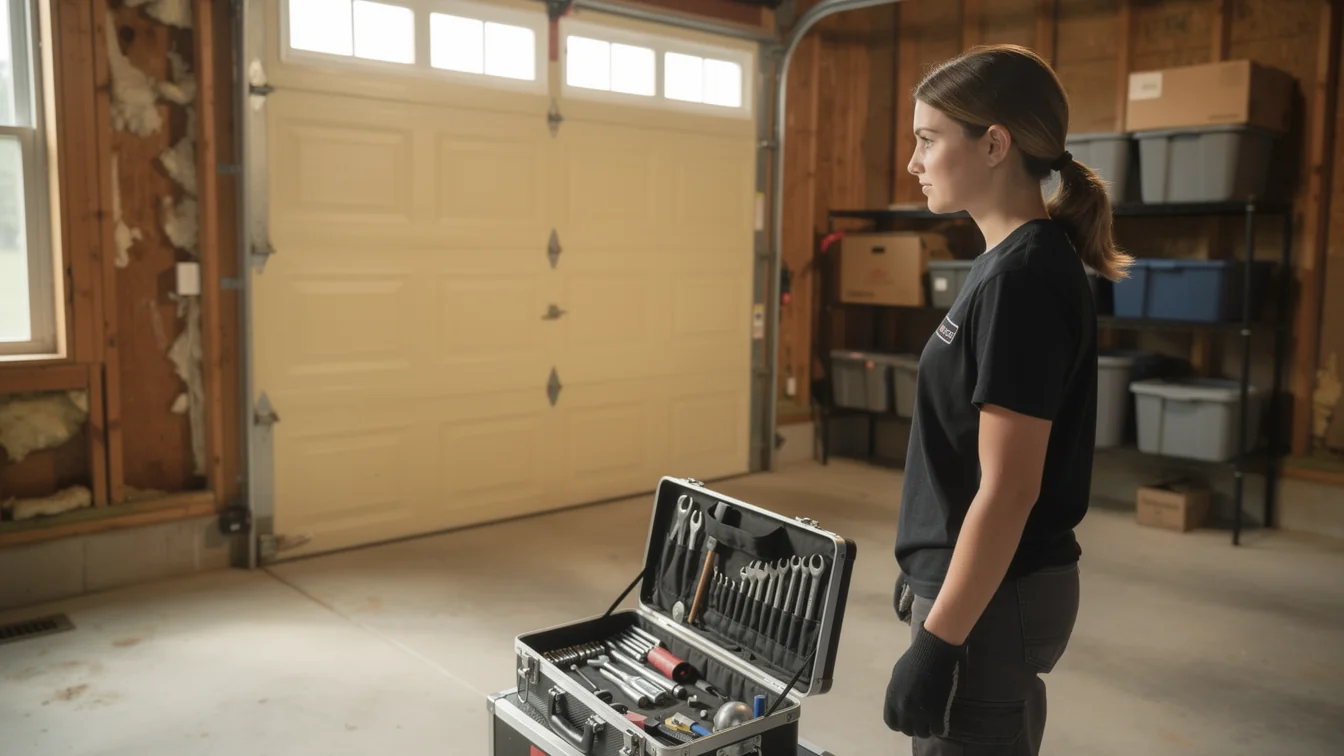
Baltimore Garage Door Pros walk through the first checks on a service call, tied to the city's 1960s-70s housing stock and cold, humid climate swings.
BlogBaltimore, MD · 4 min read
When Fixing the Door Stops Being Worth It
A guide for Baltimore homeowners on when a garage door repair stops making sense, based on the area's 1960s-70s housing stock and cold, humid climate.
Local detail
How Local Conditions Play In
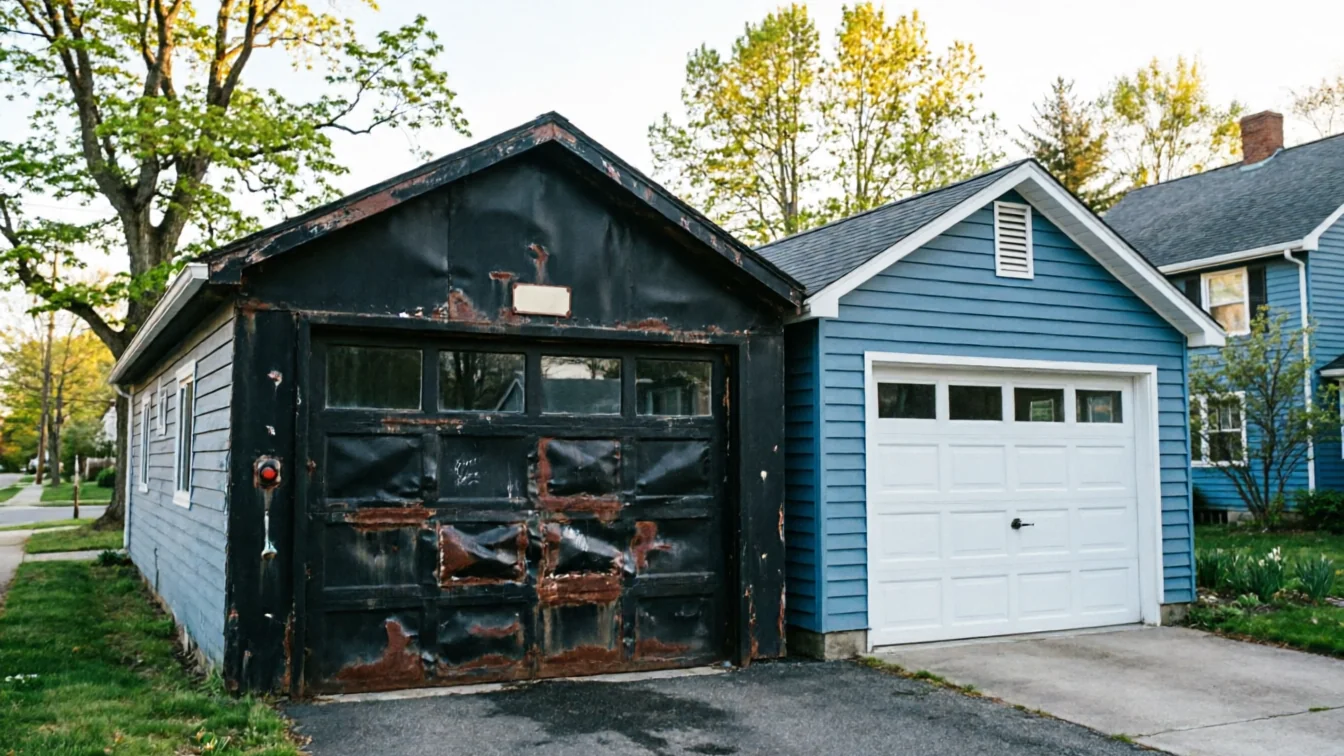
Most of the houses we get called to around here went up somewhere between 1955 and the early 2010s, but the bulk of the stock across the 58 named areas we work in dates to the 1960s and 70s. That matters because a door built on a house from that era has usually been replaced once already, sometimes twice, and the hardware underneath it is a mix of original brackets and whatever got swapped in over the decades. Baltimore sits in a cold, severe climate band, which means steel sections see real freeze-thaw cycling every winter. That cycling works on welded joints and track alignment in ways a mild climate never would. A door that's been fine for ten years can start racking at the corners once the cold settles in, and on an older frame that racking tends to be the first sign the track itself has shifted, not just the door. None of this is Baltimore-specific drama - it's just what happens to a 50-to-60-year-old opening in a place that actually gets winter. We factor that in before we recommend fixing versus replacing.
The area
What Is Going On
When a door on one of these older Baltimore-area houses starts acting up, it's rarely one thing. A torsion spring that's lived through 50 winters of expansion and contraction doesn't fail clean - it fails alongside a track that's already a little bowed and rollers that are already a little worn. We'll get a call about a noisy door and find the spring is the symptom, not the problem; the real issue is a frame that's racked slightly out of square after decades of temperature swings. On a house from the 1978 median build year, that's not unusual - it's just wear catching up with age. The honest answer is that repair makes sense when the door itself and the track are still square and the failure is isolated: one spring, one cable, one bad roller. It stops making sense once we're chasing three or four worn parts on a frame that's already moved.
What we find
What Most People Get Wrong
The mistake we see most is treating a garage door like it's one part instead of a system. Someone replaces a spring on a door that's 45 years old, feels good about the fix, and six months later the opener is straining because the track was never actually aligned - it was just living with the old spring's tension compensating for it. In a cold-climate market like this one, where steel contracts hard every winter, a system that's slightly out of alignment gets worse faster than people expect. We also see people assume a dented panel is cosmetic when on an older door it's often hiding a bent section that's putting uneven load on the opener. If your house is on the older end of this area's stock, a cheap single-part fix can mask a bigger problem for a season, then all fail at once in January.
How we work
What You Pay
We don't have a flat number to give you here, because what you pay depends on what's actually failed and how old the rest of the system is - a single spring swap is a different job than replacing track, rollers, and a cable all at once. What we can tell you is the honest limitation: once a door is original to a 1960s or 70s build and multiple components are failing together, repair costs start stacking up close to what a new door costs, and at that point we'll tell you straight that replacement is the better call. We'd rather lose a repair invoice than have you pay twice. Median household income across our service area runs a bit over $109,000, and most of the owners we talk to would rather spend once on a door built for this climate than keep patching an old one every winter.
Questions
Common questions
How do I know if my garage door is too old to repair?
If your house falls in the 1960s-70s band that makes up most of this area's housing stock and more than one part - spring, track, rollers - is failing at the same time, repair costs start approaching replacement cost. A door that's otherwise square with one isolated failure is usually worth fixing.
Does Baltimore's winter actually affect garage door parts?
Yes. Baltimore sits in a cold, severe climate band, and steel sections and torsion springs go through real freeze-thaw cycling each winter. On an older frame that's already a little out of square, that cycling accelerates wear on tracks and welded joints faster than it would in a milder climate.
Is a cheap spring replacement ever a bad idea?
It can be, if the track or frame is already out of alignment - which is common on older homes in this area. Replacing just the spring without checking alignment can mask a bigger problem for a season before it fails again, often in the cold months when the steel is already under more stress.
Recommendation
You Might Also Like
More garage door guides for Baltimore homeowners.
What We Look At First on a Baltimore Service Call
Baltimore Garage Door Pros walk through the first checks on a service call, tied to the city's 1960s-70s housing stock and cold, humid climate swings.
 Is Your Baltimore Garage Door Worth Fixing, or Done
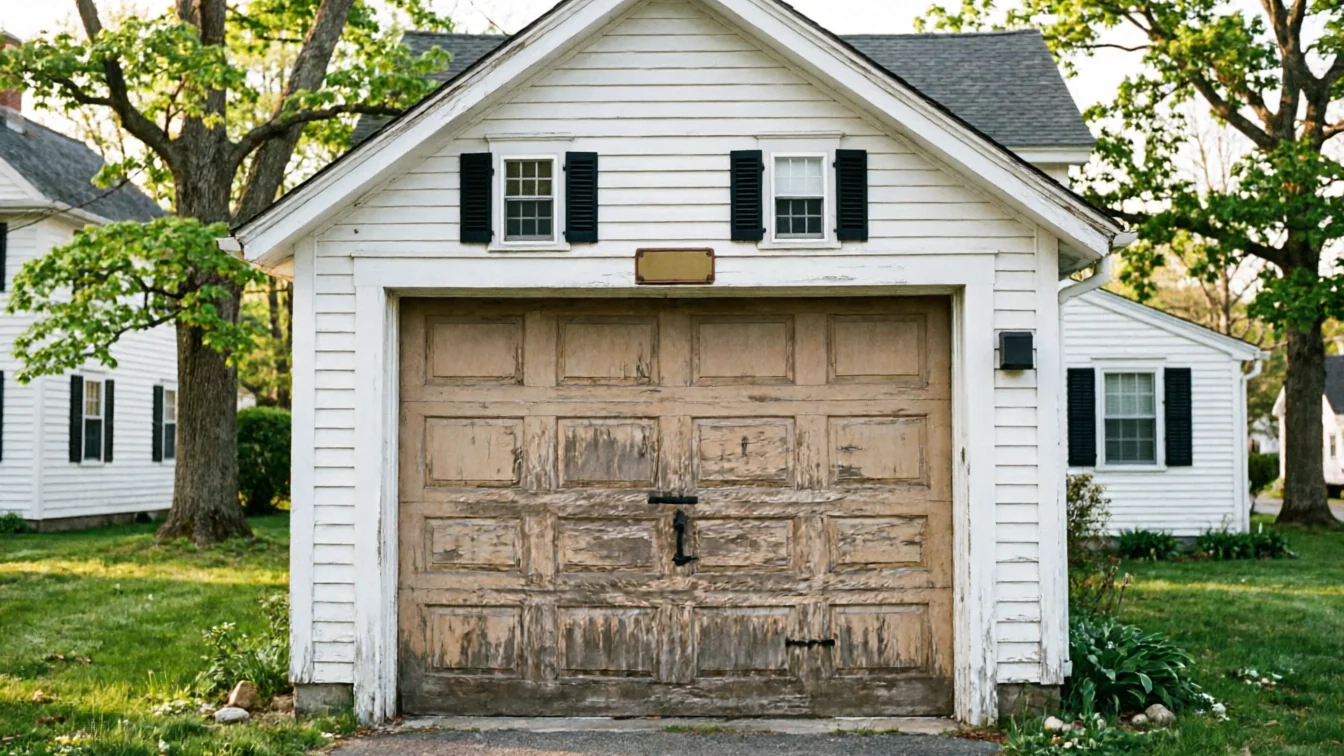
Most Baltimore-area houses date to the 1960s-70s boom.
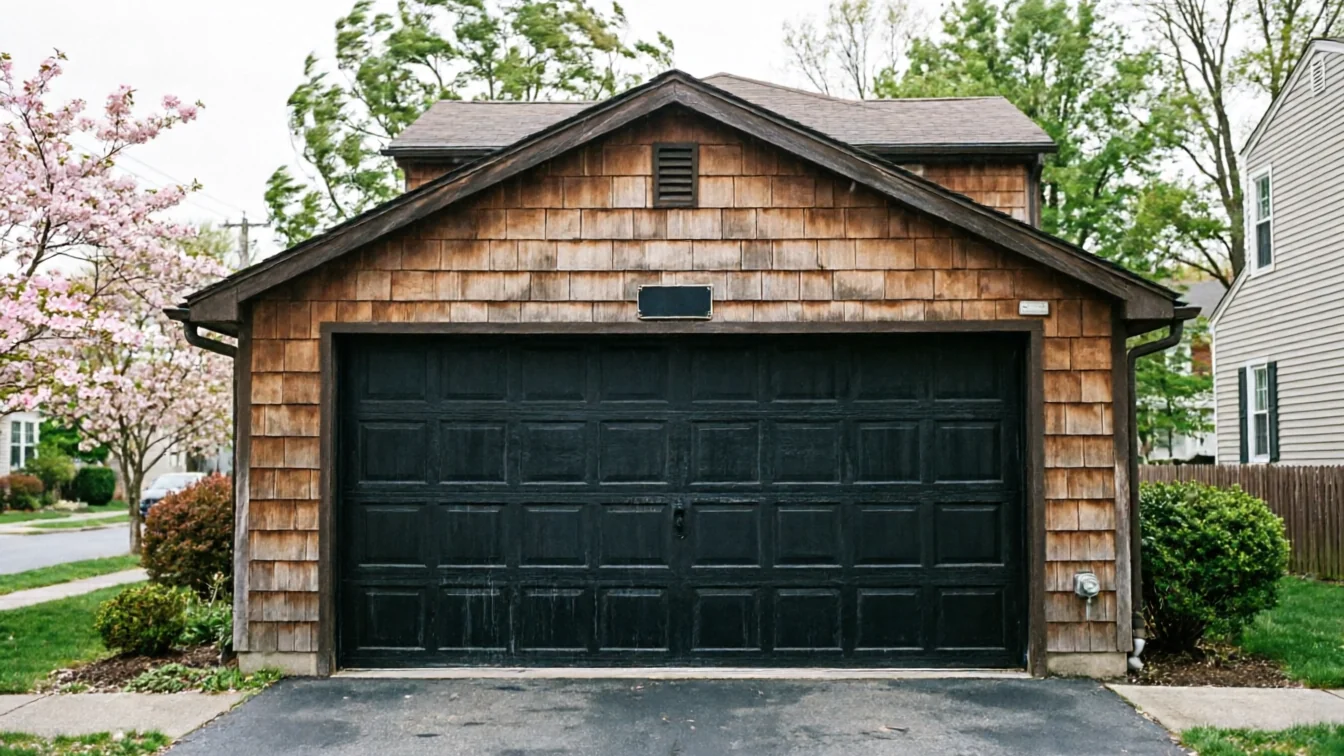 Wind, Wide Doors, and the Houses Baltimore Actually Has
Why wide garage doors on Baltimore's 1960s-70s housing stock struggle with wind, what the cold-severe climate band does to track hardware, and what a repair runs.
Ready when you are
Need a garage door sorted in Baltimore?
Baltimore Garage Door Pros repairs and installs garage doors, springs and openers in Baltimore, MD and the surrounding area.