 What a Service Call Actually Covers Here in Baltimore
A straight look at what a garage door service call covers in Baltimore - the housing stock, the cold, and what actually gets checked and fixed on the visit.
BlogBaltimore, MD · 4 min read
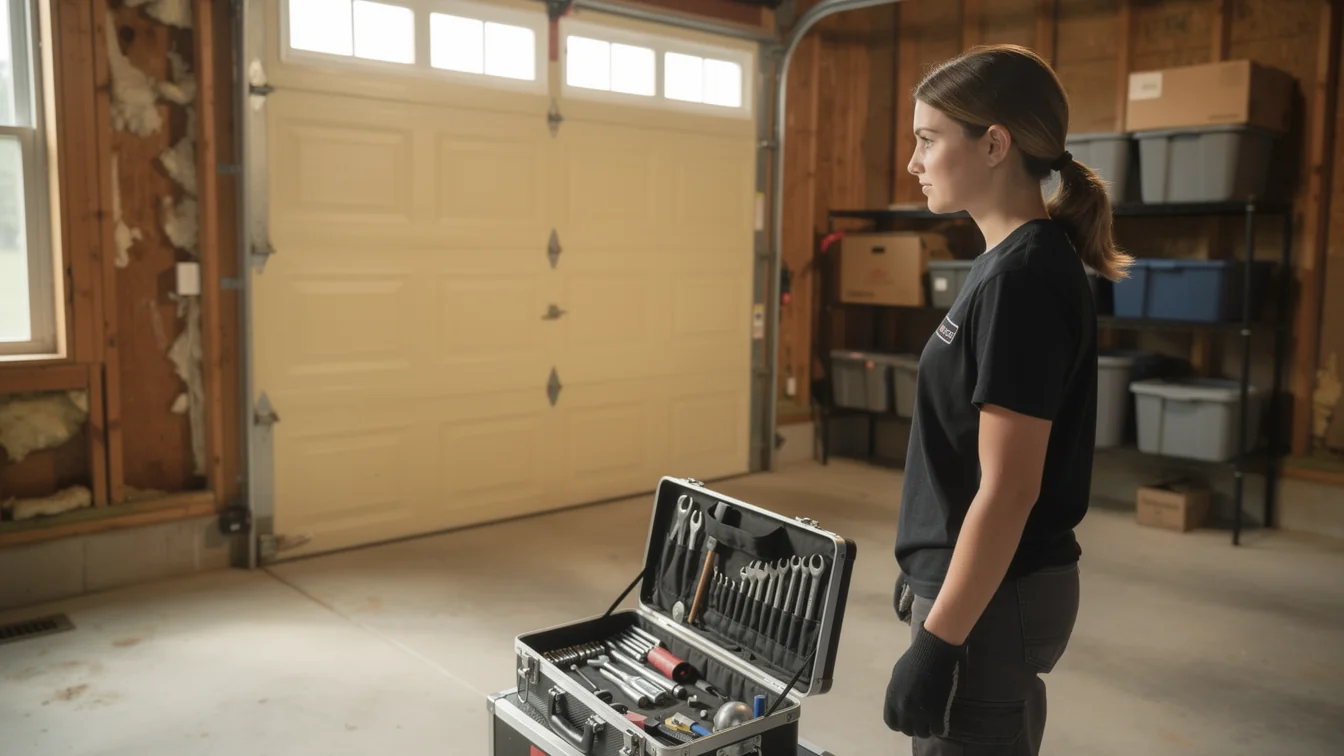
What We Look At First on a Baltimore Service Call
Baltimore Garage Door Pros walk through the first checks on a service call, tied to the city's 1960s-70s housing stock and cold, humid climate swings.
Local detail
How Local Conditions Play In
Baltimore sits in a cold-and-severe climate band, which means the garage sees real freeze-thaw cycles every winter and sticky, humid summers right behind them. That swing matters more than people think. Steel expands and contracts, lubricant thickens in the cold, and the moisture that comes with a Chesapeake-area winter works into any exposed cable or hinge pin that isn't sealed. On a first visit we're checking how the door has handled that cycling, not just whether it opens and closes today. A door that worked fine in August can bind in January because the track settled or the spring tension shifted with the temperature. Homes near the harbor and the lower-lying areas toward Curtis Bay and Hawkins Point tend to carry more humidity in the garage itself, which shows up as surface rust on springs and hardware faster than it would on a dry inland block. We're not guessing at this - it's a function of what this climate band does to steel and lubricant over a season, and it's the first filter we run every job through before we look at anything else.
The area
What Is Going On
Most of the housing across this service area went up between 1955 and 2014, with the bulk of it dating to the 1960s and 1970s across the 58 named communities we cover, from Catonsville and Towson out to Perry Hall and Randallstown. That generation of house came with a generation of garage door hardware - extension springs on older side rooms, torsion setups that were standard for the era but aren't what gets stocked on trucks now. When we check a door, the first thing we're doing is dating it against the house. A 1970s-build with original hardware is a different diagnosis than a door that was replaced in the last decade, even if the symptom looks the same from the driveway. We check the spring type, the track alignment, and whether the opener is original or a later retrofit, because in a lot of these houses it's been swapped once already and the door and opener don't quite match. That mismatch is often the real cause of a noisy or hesitant door, not the part people call about.
What we find
What Most People Get Wrong
The most common mistake is assuming a slow or noisy door means the opener is dying. In a house built in the median era for this area - right around 1978 - it's usually the spring or the rollers, not the motor. Openers get blamed because they're the part that makes noise when it's straining against a spring that's lost tension. We check spring wear before we touch the opener, every time. The other thing people get wrong is waiting. A door that's hesitating in cold weather because of stiff lubricant is a five-minute fix. The same door, ignored through another freeze-thaw cycle, can turn into a snapped cable or a bent track. Here's the honest limit: if the track is original to a 1960s build and bent badly enough, we're not going to recommend straightening it. At that point parts are old enough that replacement is the better use of your money, and we'll say so instead of billing hours to patch something that'll fail again next winter.
How we work
What You Pay
We don't post a flat number because what a door needs depends on what we find in the first check - spring type, track condition, whether the opener matches the door, how much the climate has worked on the hardware. A household in this area has a median income of $109,661, and most owners we see want a straight answer on what's worth fixing versus replacing rather than the cheapest line item. That's the conversation we have on site, after the inspection, not before it. What we can tell you up front is that the diagnosis itself - the spring check, track check, opener check - is where the number comes from, so a tech who skips that step and quotes over the phone is guessing. We'd rather look at the door.
Questions
Common questions
Why does my garage door act up more in winter?
Cold makes steel contract and lubricant stiffen, which is exactly what this climate band does to a garage door every season. A spring under slightly more tension from the cold, combined with thickened grease on the rollers, is the usual cause of a door that suddenly feels heavy or hesitant in January.
Is my door's hardware original to the house?
If your house was built in the 1960s or 70s, which covers a lot of this area, there's a decent chance the track or spring hardware is original or close to it. We check this first because original hardware changes what repair options make sense versus what calls for replacement.
Do you check the opener or the door first?
The door. Most of the noise and strain people blame on the opener actually traces back to spring tension or track alignment. We check spring wear and track condition before we ever test the opener itself.
Recommendation
You Might Also Like
More garage door guides for Baltimore homeowners.
What a Service Call Actually Covers Here in Baltimore
A straight look at what a garage door service call covers in Baltimore - the housing stock, the cold, and what actually gets checked and fixed on the visit.
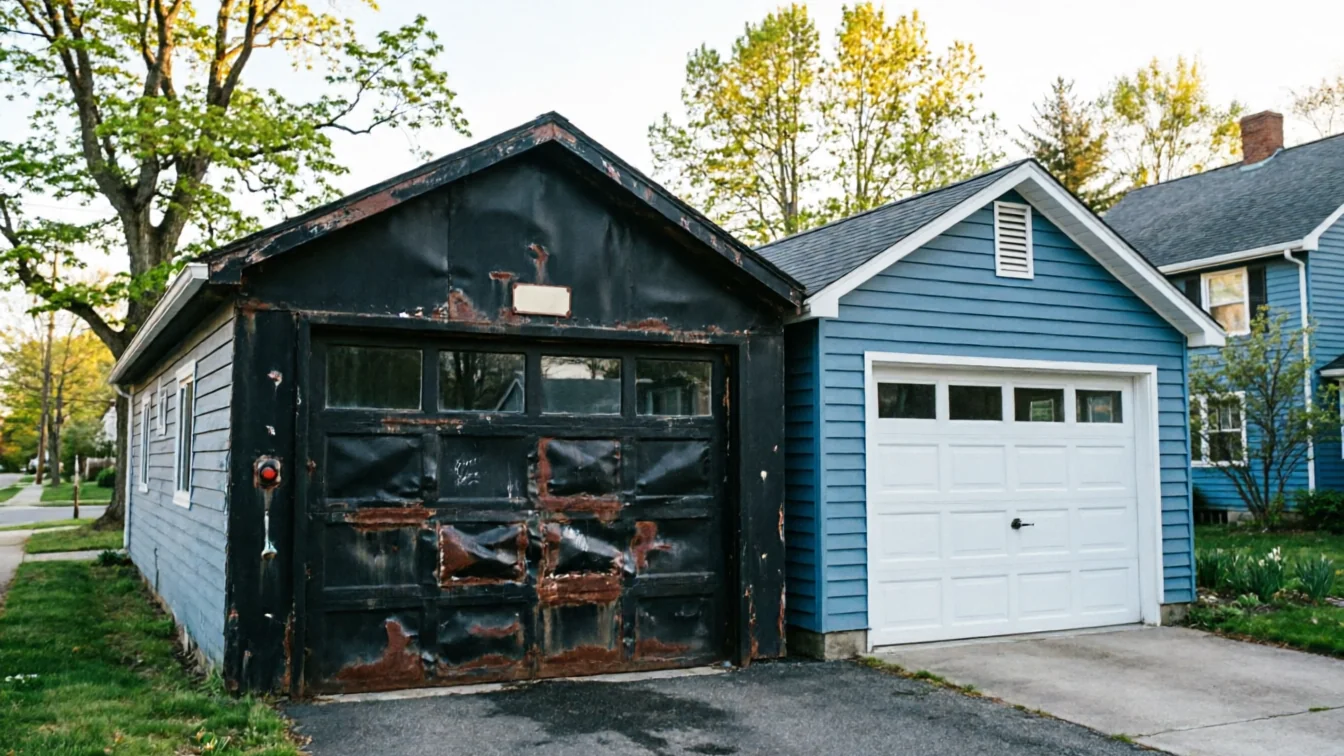 When Fixing the Door Stops Being Worth It
A guide for Baltimore homeowners on when a garage door repair stops making sense, based on the area's 1960s-70s housing stock and cold, humid climate.
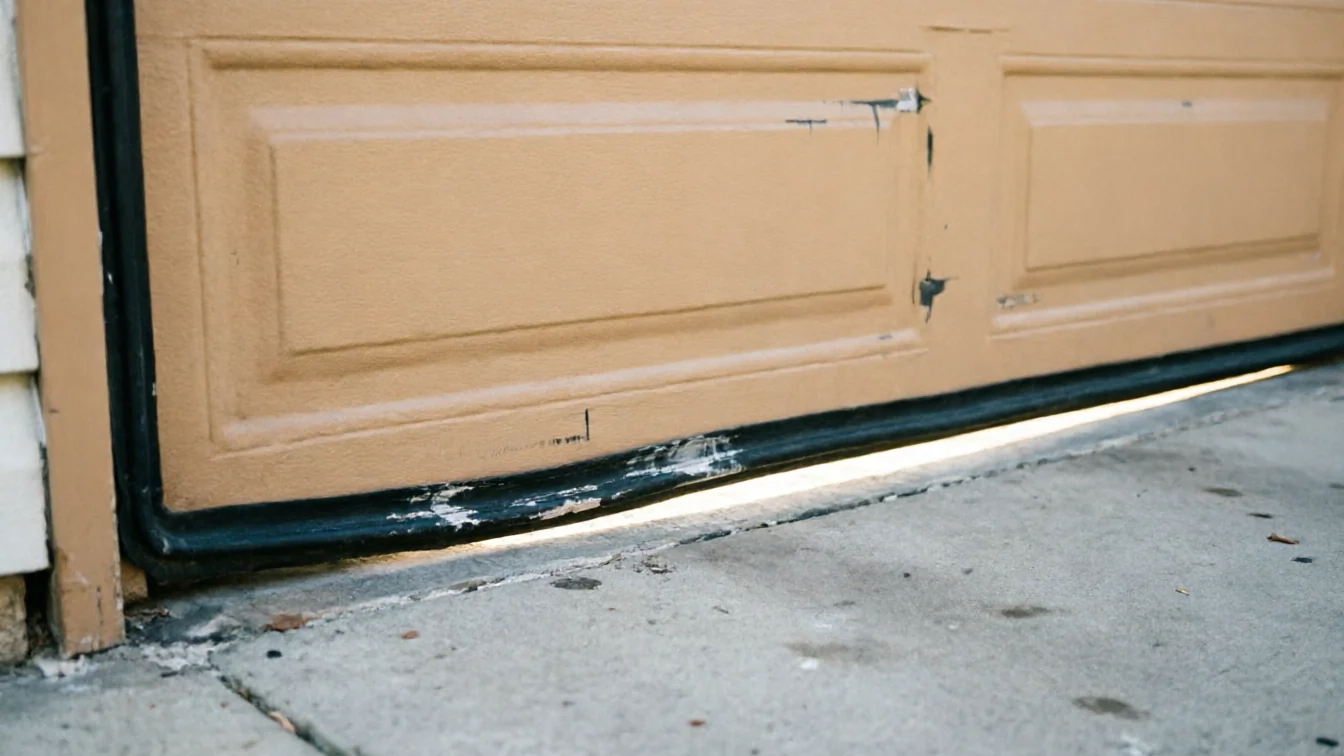 Weather Seals and Draughts on Baltimore Garage Doors
Baltimore Garage Door Pros on why weather seals and draughts show up on 1960s-70s garage doors across Baltimore's cold-winter housing stock, and what to actually do about it.
Ready when you are
Need a garage door sorted in Baltimore?
Baltimore Garage Door Pros repairs and installs garage doors, springs and openers in Baltimore, MD and the surrounding area.