What the Repair Takes
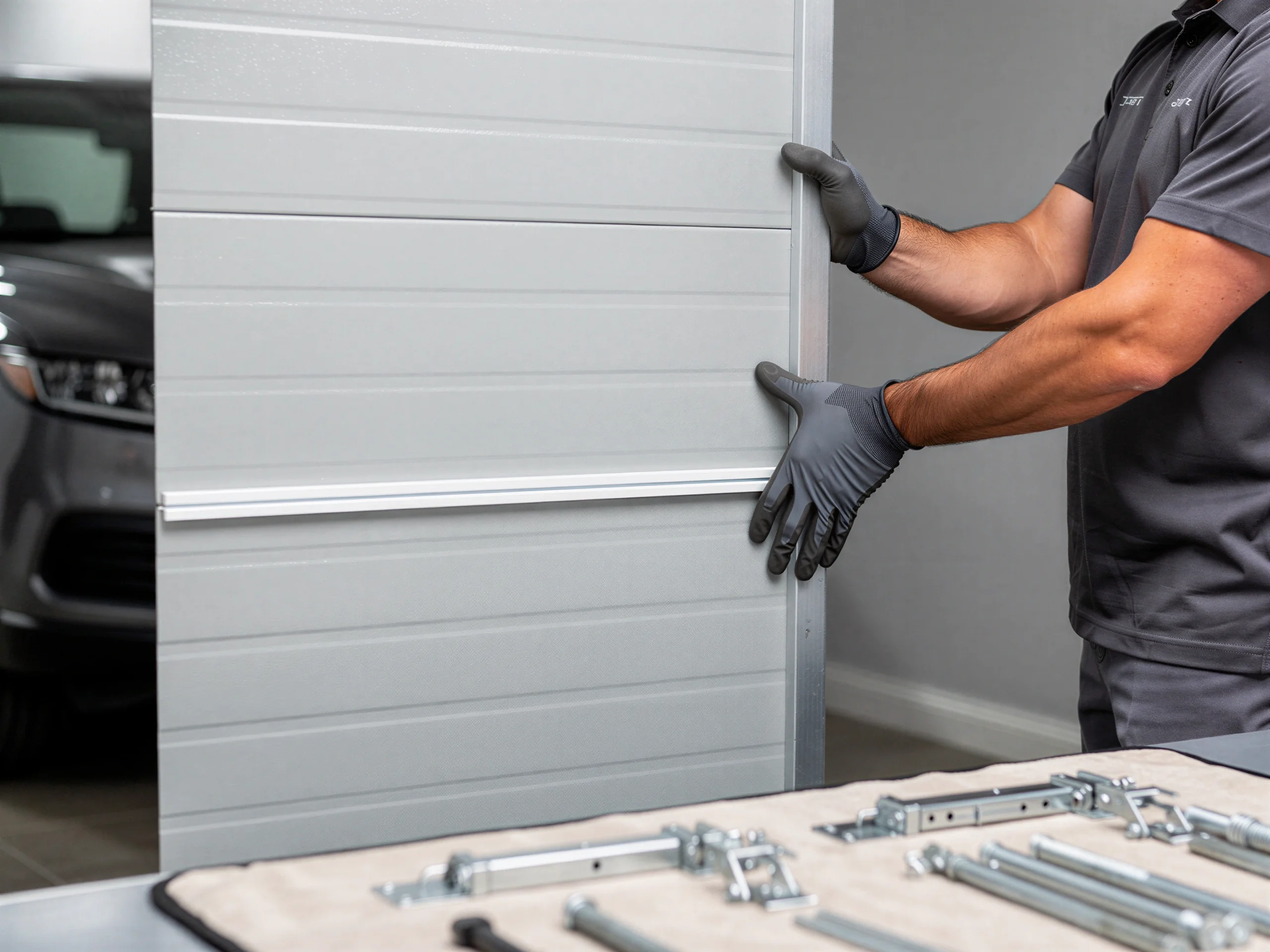
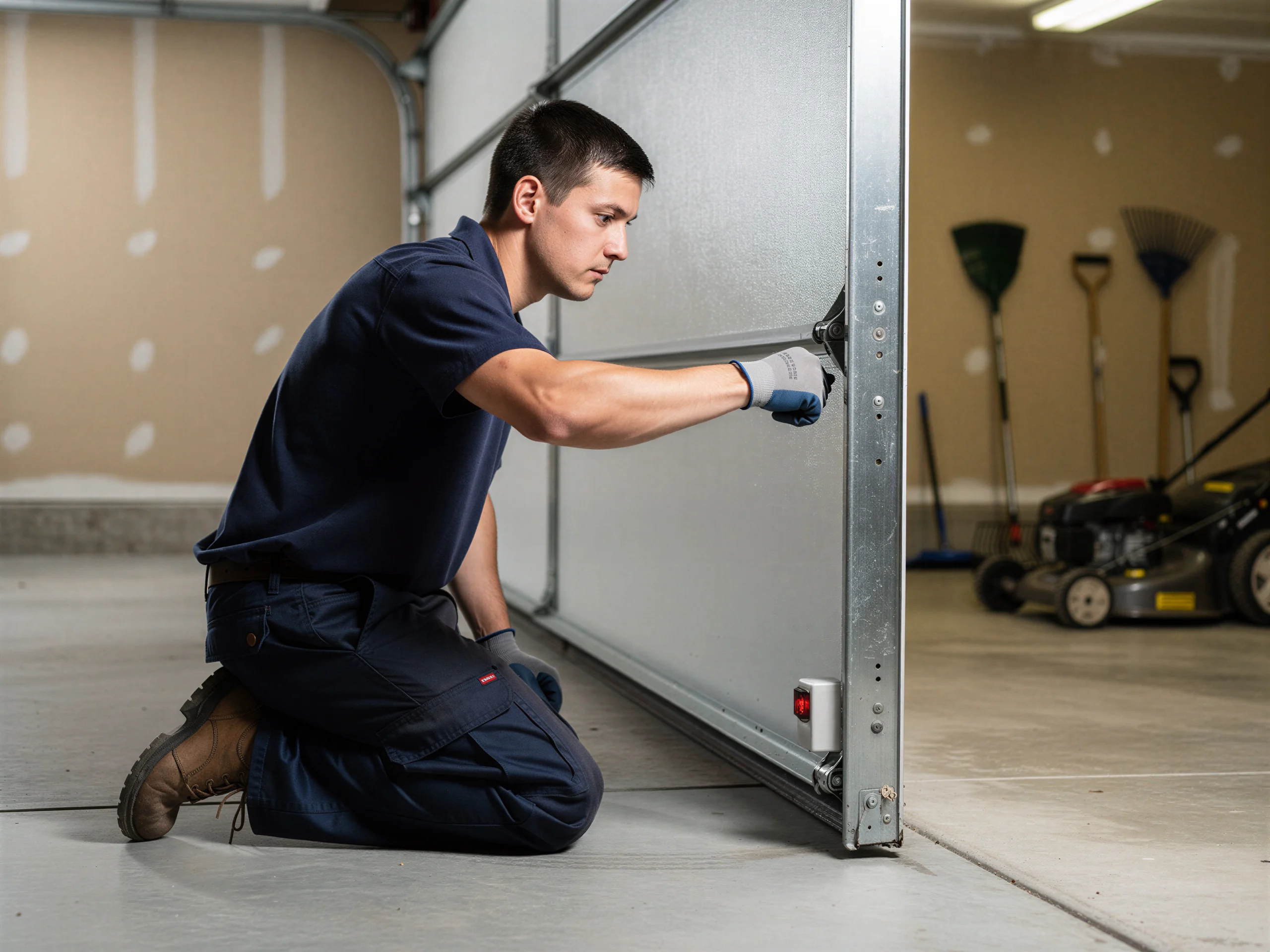
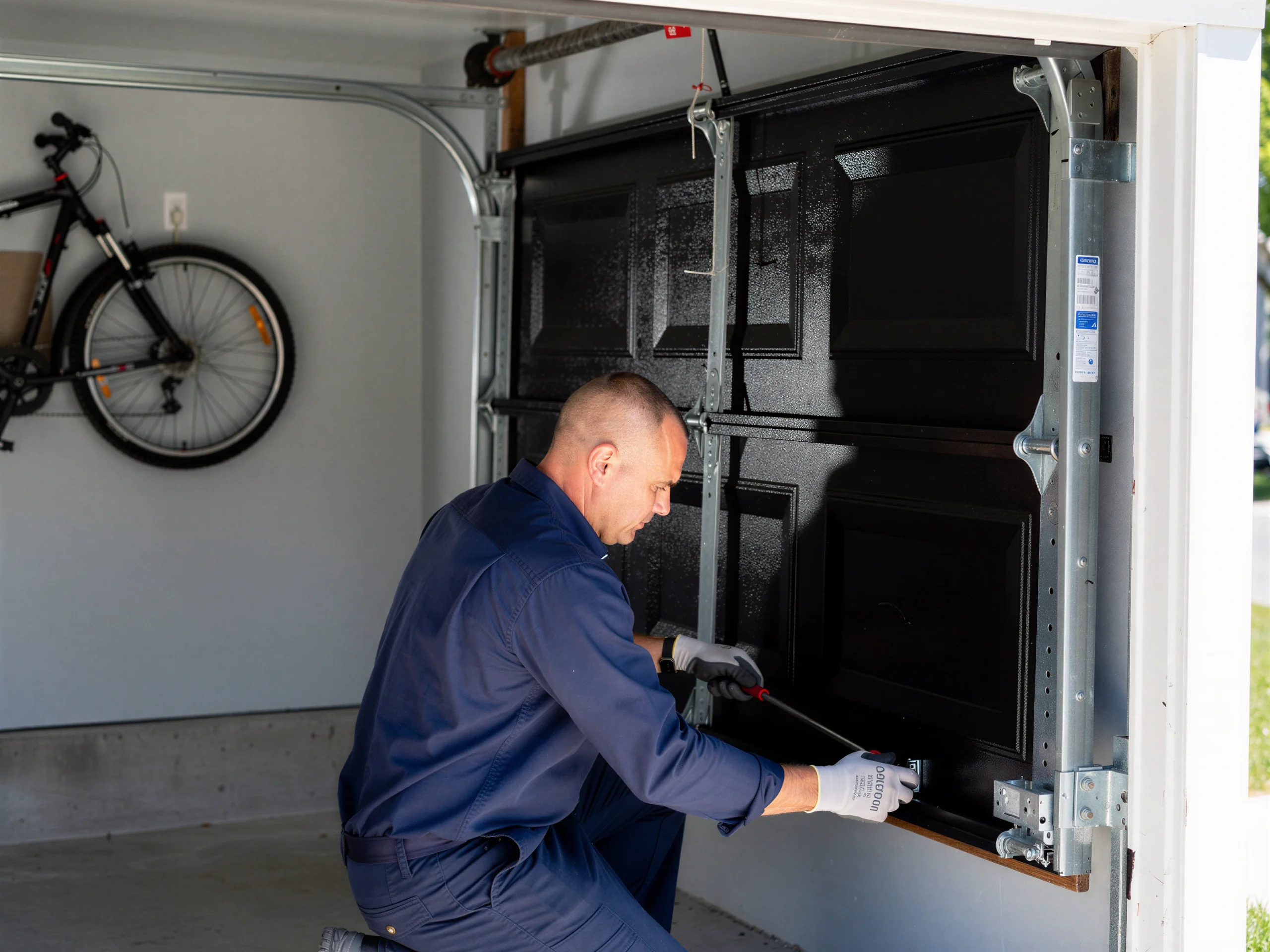
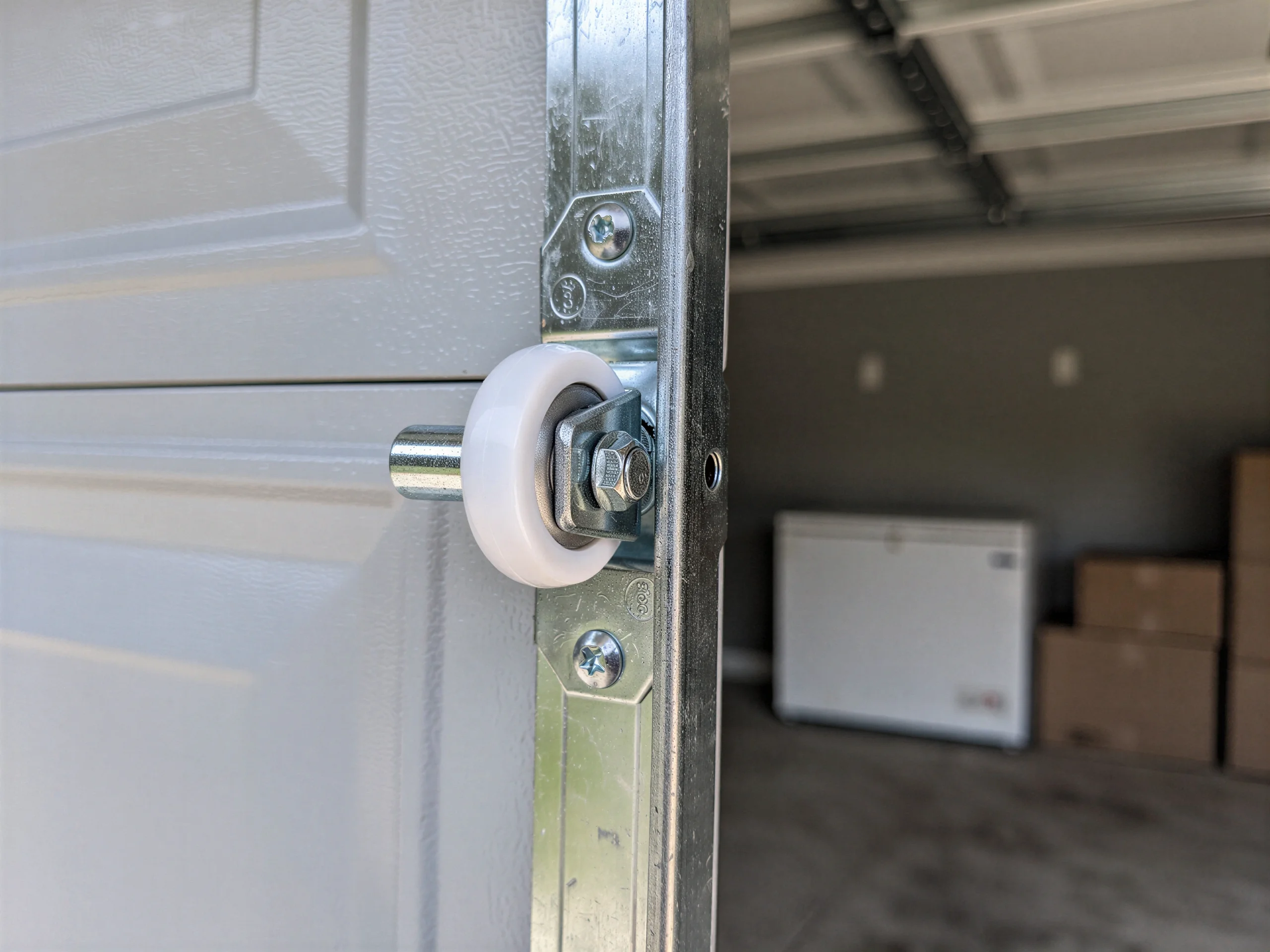
Roller replacement is a straight swap: the old rollers come off the track, new ones go on the hinge, and the door gets run up and down a few times to check it tracks straight and doesn't bind.
Roller count and brackets
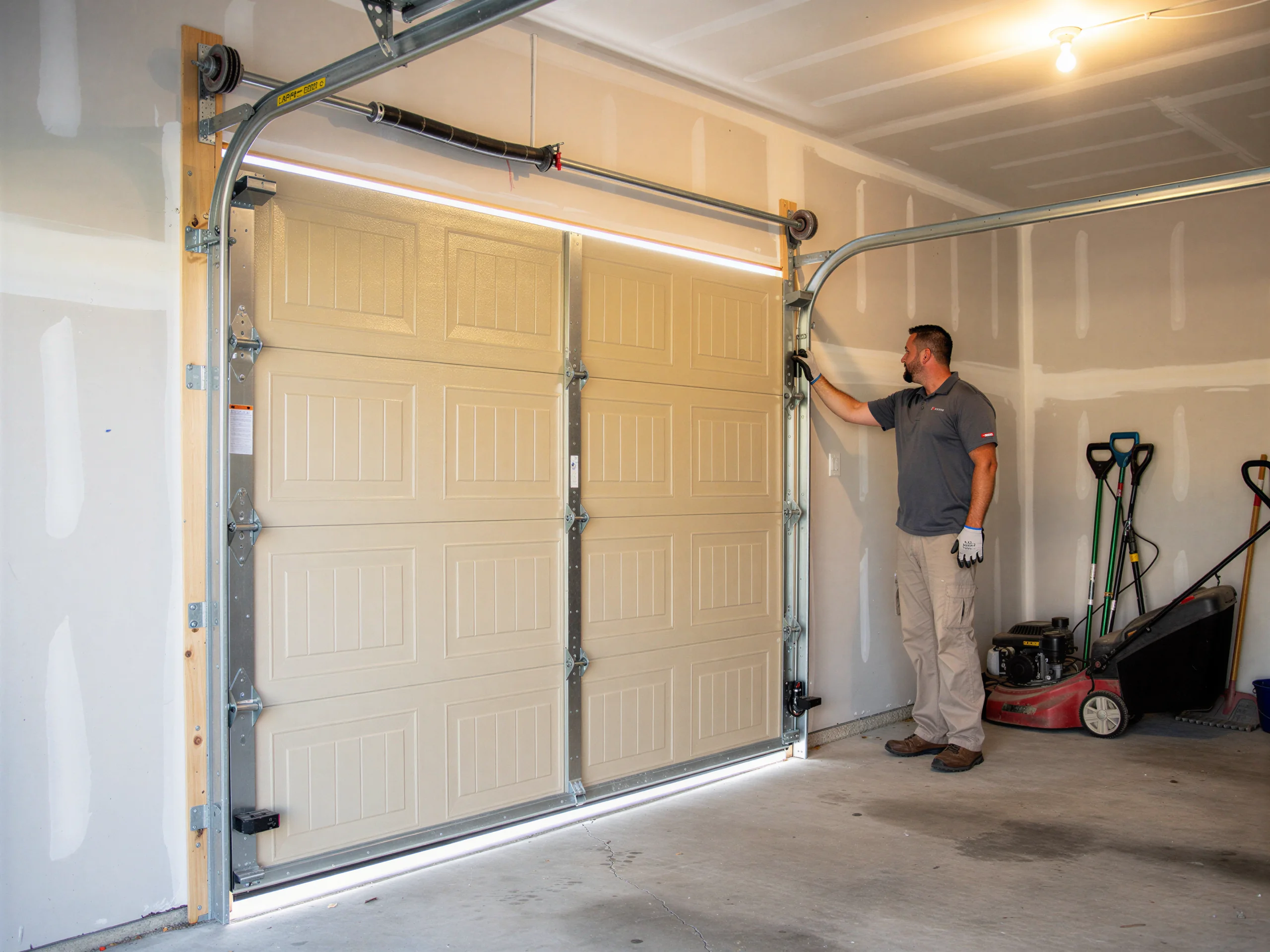
On a standard double door that's eight to ten rollers, and we check the hinges and track brackets at the same time since a bent bracket will chew through a new roller just as fast as it did the old one.
Bowed track and stem rust
If the track itself is bowed or the bottom section has rust at the roller stem - more common on houses built before the 1980s than on the newer stock out toward the edge of the service area - that gets addressed in the same visit rather than coming back later.
Steel versus nylon rollers
Nylon rollers with sealed bearings are the standard replacement now; steel rollers are still out there on older doors and they're the ones that usually bring people to this page in the first place, since steel-on-steel wears fast and gets loud doing it. We don't repack old steel rollers - at that point the bearing is shot and the part gets replaced, not greased.
How It Shows Up
A roller going bad doesn't fail all at once. First it's a grinding or popping sound as the door passes a certain point in the track - usually right where the curve starts into the horizontal rail.
Hopping after cold snaps
Then the door starts to hop or shudder instead of gliding, especially right after the coldest stretch of the year when the grease in an old roller stem has stiffened up.
Flat-spotted roller damage
Left alone, a cracked or flat-spotted roller puts uneven load on the track and the opener has to work harder to pull the door through that spot, which is how a $20 roller problem turns into a bent track or a strained opener motor.
Noise then hesitation pattern
Across the 58 named areas in this service area, from Downtown and the Inner Harbor out through Towson, Catonsville, and Perry Hall, the call pattern is the same: noise first, hesitation second, then a door that won't close square.
What Causes It Around Here
Baltimore's garage door stock mostly dates to 1955-2014, with a lot of it clustered in the 1960s and 70s and a median build year around 1978 - old enough that a good share of doors still have their original steel rollers or have had one cheap replacement set since. Steel rollers don't do well in a cold-severe climate band like this one: the stem grease thickens in freezing temperatures, the roller grinds instead of turning freely, and the flat spot that develops from months of that grinding is what you hear as the door passes through the track curve. Houses built in that 1960s-70s window also tend to have narrower, more tightly curved track sections than newer construction, which puts more stress on each roller every single cycle. None of this is unique to one neighborhood - it's a function of how old the door hardware is and how cold it gets, and that holds whether the house is near the harbor or out past the Beltway.
How Long You Are Without the Door
Roller replacement on its own is one of the shorter repairs we do - the door is usually back in service the same visit, same day. Where it runs longer is when the rollers have already damaged the track or put strain on the opener, which happens more often on older doors that have been making noise for months before anyone calls. If that's the case we'll say so on site rather than quote a quick roller swap and have you call back in three weeks. One honest limit: if the door is original to a house from the 1960s or earlier and the track, hinges, and rollers are all worn together, replacing just the rollers sometimes isn't worth it - we'll tell you when a full hardware set or a new door makes more sense than patching one part at a time.
Talk to a local pro
Garage door service in Baltimore?
Same-day service with honest, upfront quotes.