 When a Spring Goes in Cold Weather in Baltimore
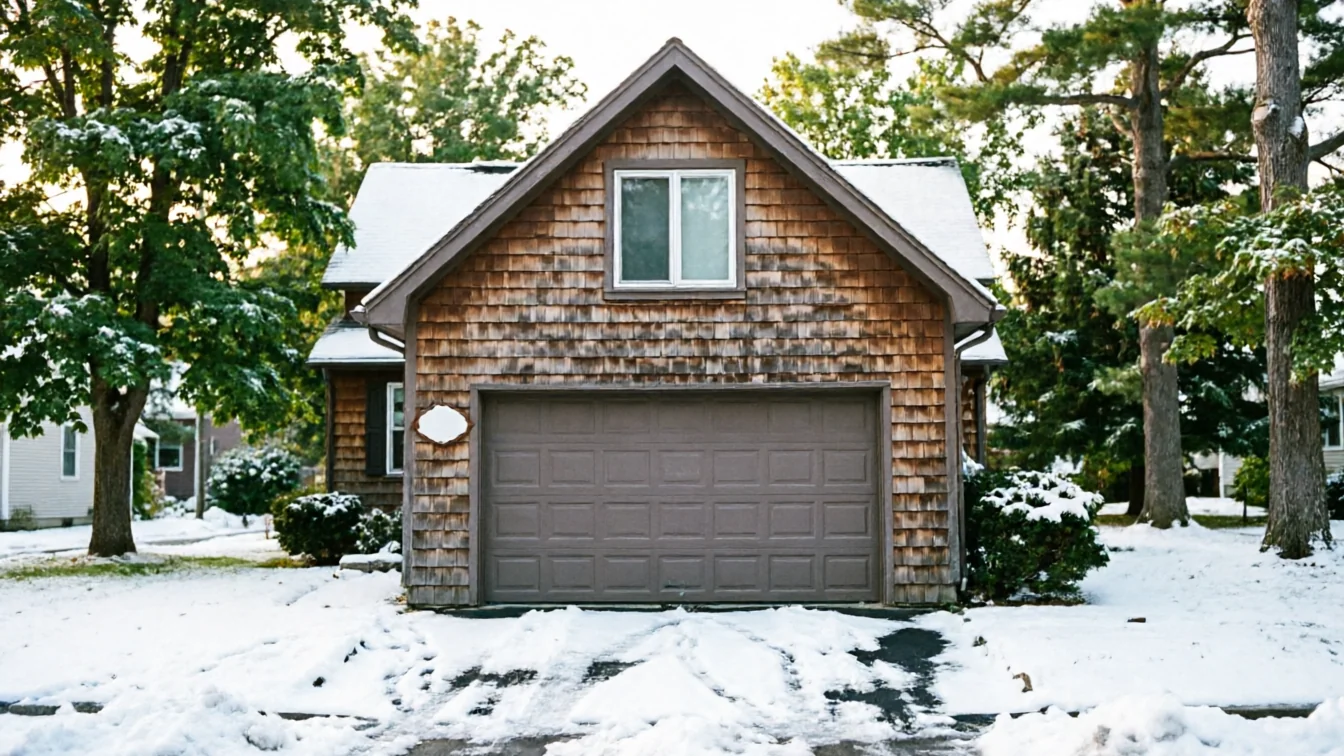
Baltimore's 1960s-70s housing stock and severe cold winters put real strain on torsion springs.
BlogBaltimore, MD · 3 min read
Weather Seals and Draughts on Baltimore Garage Doors
Baltimore Garage Door Pros on why weather seals and draughts show up on 1960s-70s garage doors across Baltimore's cold-winter housing stock, and what to actually do about it.
Local detail
How Local Conditions Play In
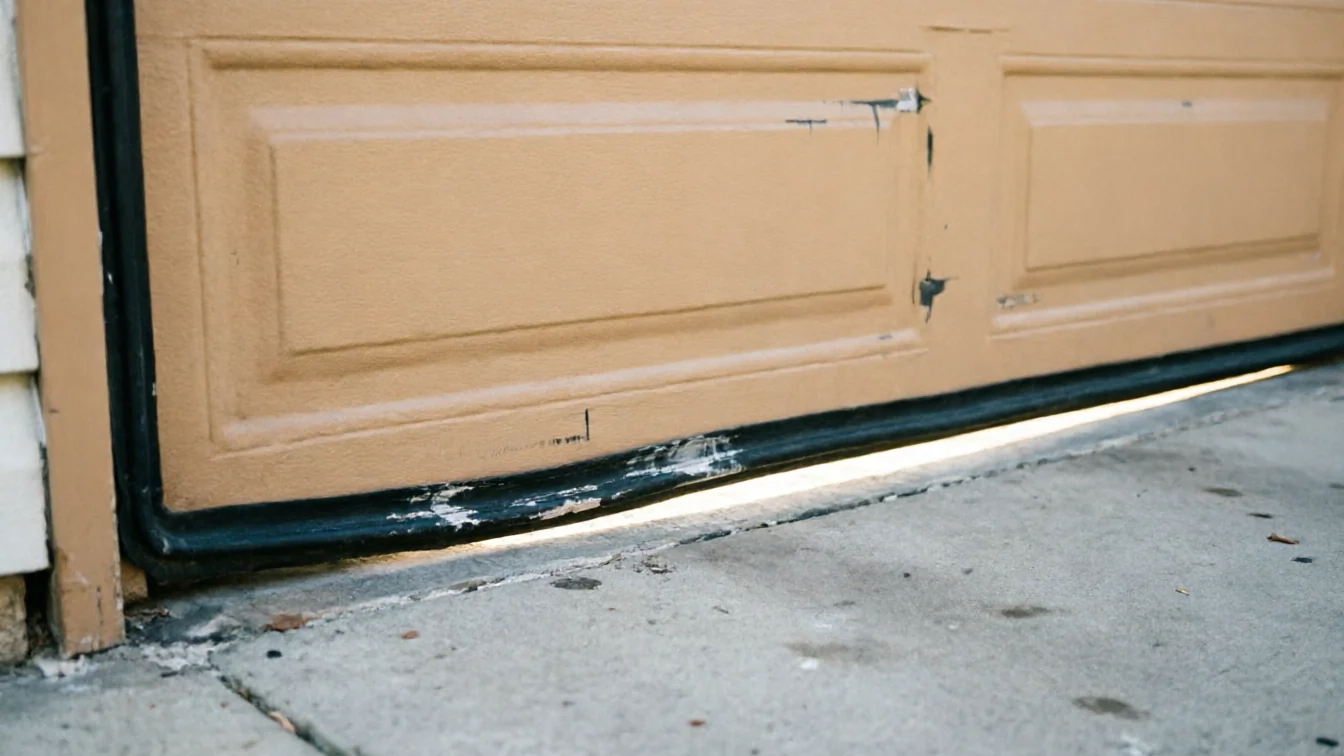
Baltimore sits in a cold-severe climate band, which means the bottom seal and side weatherstripping on your garage door do more work here than they would in a milder region. Freeze-thaw cycling through the winter months hardens rubber seals faster, and once that rubber loses flexibility it stops gripping the slab. You get a visible gap at the bottom corners first, usually where the door has settled slightly or the concrete has a pitch. Most of the housing in this service area went up between 1955 and 2014, with a median build year around 1978, and a lot of that stock across the 58 named communities we see is 1960s-70s construction. Doors and tracks from that era weren't built with the foam-core, multi-point sealing you'd find on anything installed in the last ten years. So the draught problem on an older Baltimore door isn't usually one bad seal - it's a whole system of aging hardware letting cold air find its way in at the bottom, the sides, and often around the top panel where the door hasn't been resquared in decades.
The area
What Is Going On
When a homeowner calls about a draught, the seal is rarely the whole story. On a house from the 1960s or 70s, the track has usually shifted a little over fifty-plus years, which throws the door out of square against the frame. That gap doesn't close no matter how many times you swap the bottom rubber - the door just isn't sitting flat anymore. We also see panels that have warped slightly from decades of temperature swings typical of our cold winters and humid summers, which opens hairline gaps along the panel seams themselves. None of this shows up as an obvious problem until you're standing in the garage on a January morning feeling cold air move across the floor. The seal is the part you can see and touch, so it gets blamed first. The track alignment and panel condition are the parts that actually decide whether a new seal will hold.
What we find
What Most People Get Wrong
The common mistake is buying a thicker bottom seal and assuming that solves it. On a door that's out of square - which is common on the older stock across this area - a thicker seal just means a bigger piece of rubber failing to seat evenly. We also see people caulk around the frame instead of addressing the door itself, which blocks air for a season and then cracks. And there's a limit here worth being honest about: if the panels themselves have warped or the track is badly bent, a new seal is a band-aid, not a fix. At that point you're better off pricing a new door section or the full door rather than resealing a frame that can't hold a seal flat. We won't sell you a seal kit on a door where it won't actually solve the draught - that's a wasted call for both of us.
How we work
What You Pay
We don't have a fixed number to quote here without seeing the door - seal kits, track adjustment, and panel replacement price out very differently, and a door that needs squaring costs more in labor than parts. What we can tell you is that income levels in this service area average $109,661 per household, and across the roughly 177,541 owner-occupied houses here, the spread of ages means some homes need a ten-dollar seal and others need real hardware work. We'll look at the door, tell you straight which category yours is in, and give you a number before any work starts.
Questions
Common questions
Why does my garage door let in cold air even with a new bottom seal?
On older doors - common across this area's 1960s-70s housing stock - the track has often shifted over the decades, so the door no longer sits square against the slab. A new seal can't compensate for a door that isn't flat. The track needs adjusting before the seal will actually seal.
Is it worth resealing an older door or should I replace it?
Depends on the panels and track. If the door is still square and the panels aren't warped, a reseal is worth it. If the frame is bent or the panels have cupped from years of temperature swings, you're paying for labor on a fix that won't hold - replacement makes more sense.
Does Baltimore's climate actually make this worse?
Yes. We're in a cold-severe climate band, so seal rubber hardens and loses its grip faster through repeated freeze-thaw cycles than it would in a milder climate. That's part of why seals on older Baltimore doors fail sooner than the box they came in suggests.
Recommendation
You Might Also Like
More garage door guides for Baltimore homeowners.
When a Spring Goes in Cold Weather in Baltimore
Baltimore's 1960s-70s housing stock and severe cold winters put real strain on torsion springs.
 What That Noise Is Actually Telling You
Baltimore's 1960s-70s housing stock and severe cold winters mean specific garage door noises point to specific failures.
 Openers and Power Cuts in Baltimore Garages
Baltimore's older housing stock and severe cold winters mean openers fail at the worst time.
Ready when you are
Need a garage door sorted in Baltimore?
Baltimore Garage Door Pros repairs and installs garage doors, springs and openers in Baltimore, MD and the surrounding area.