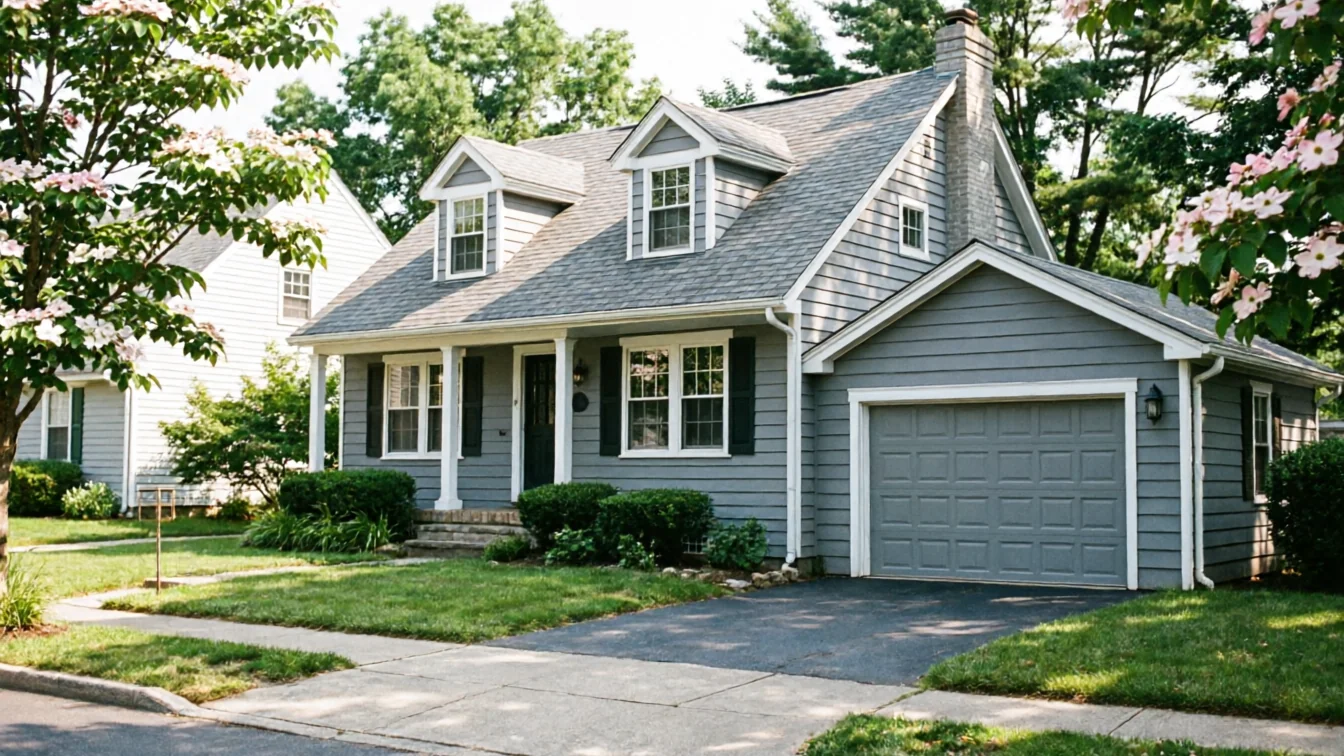
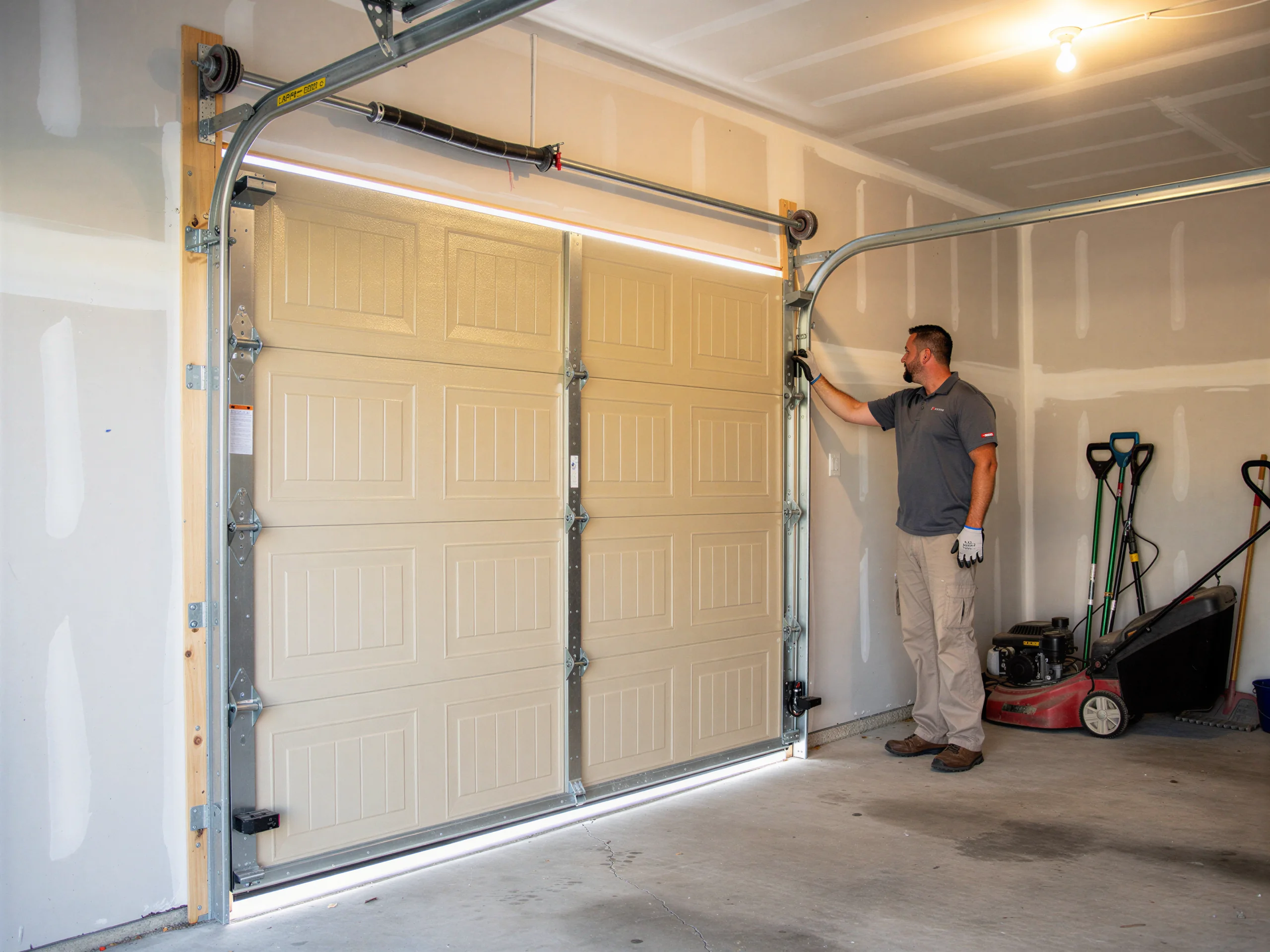
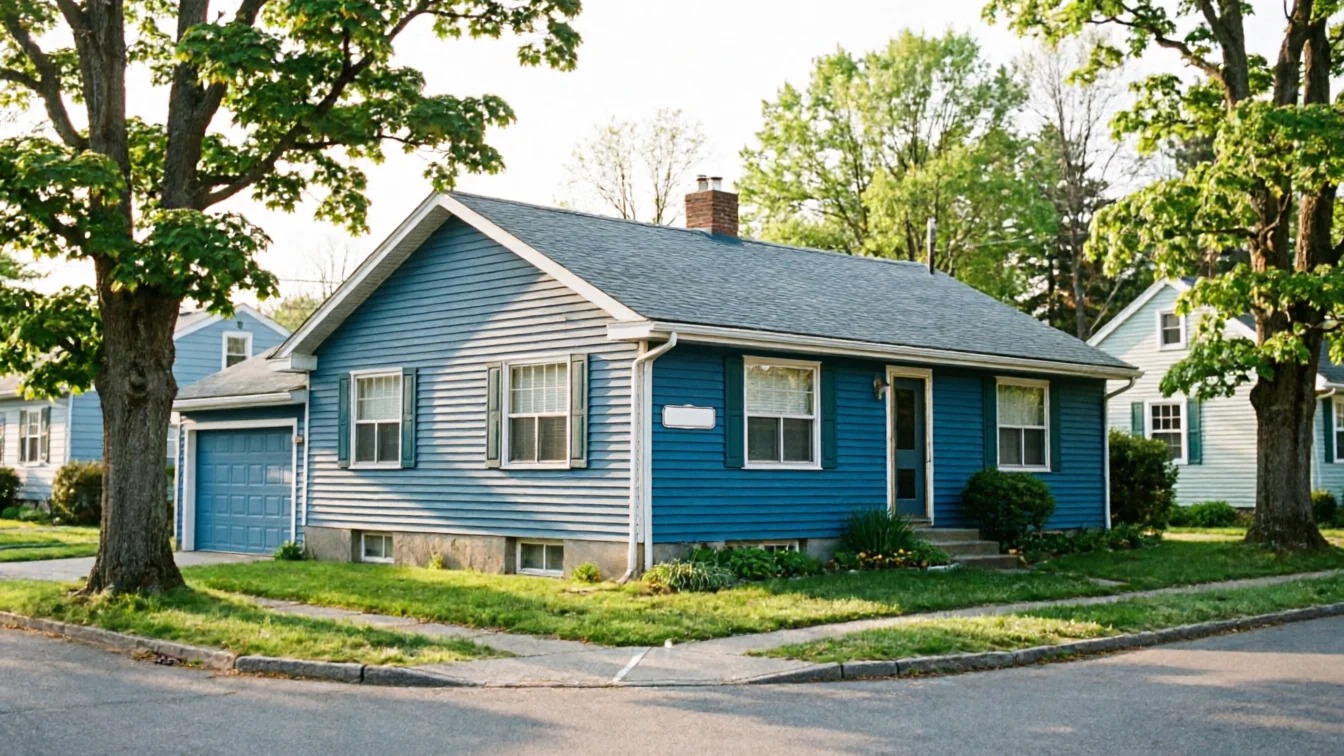
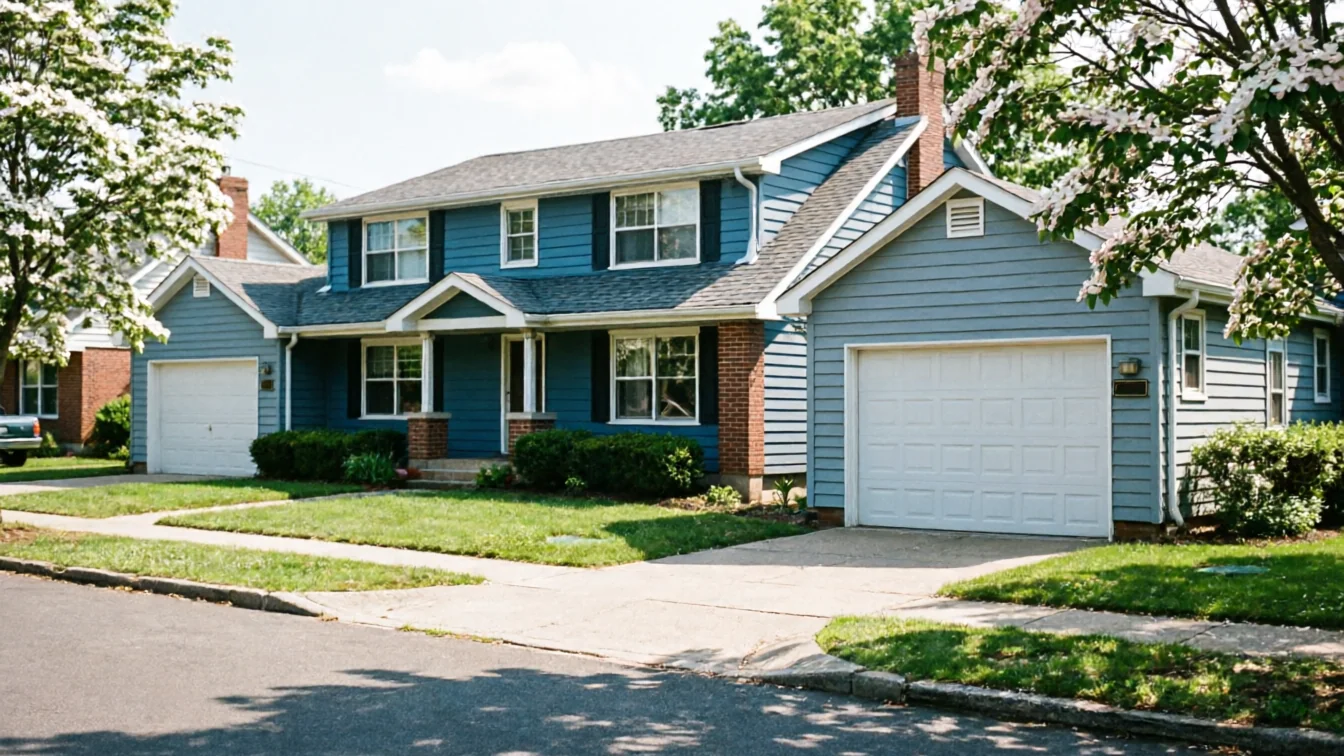
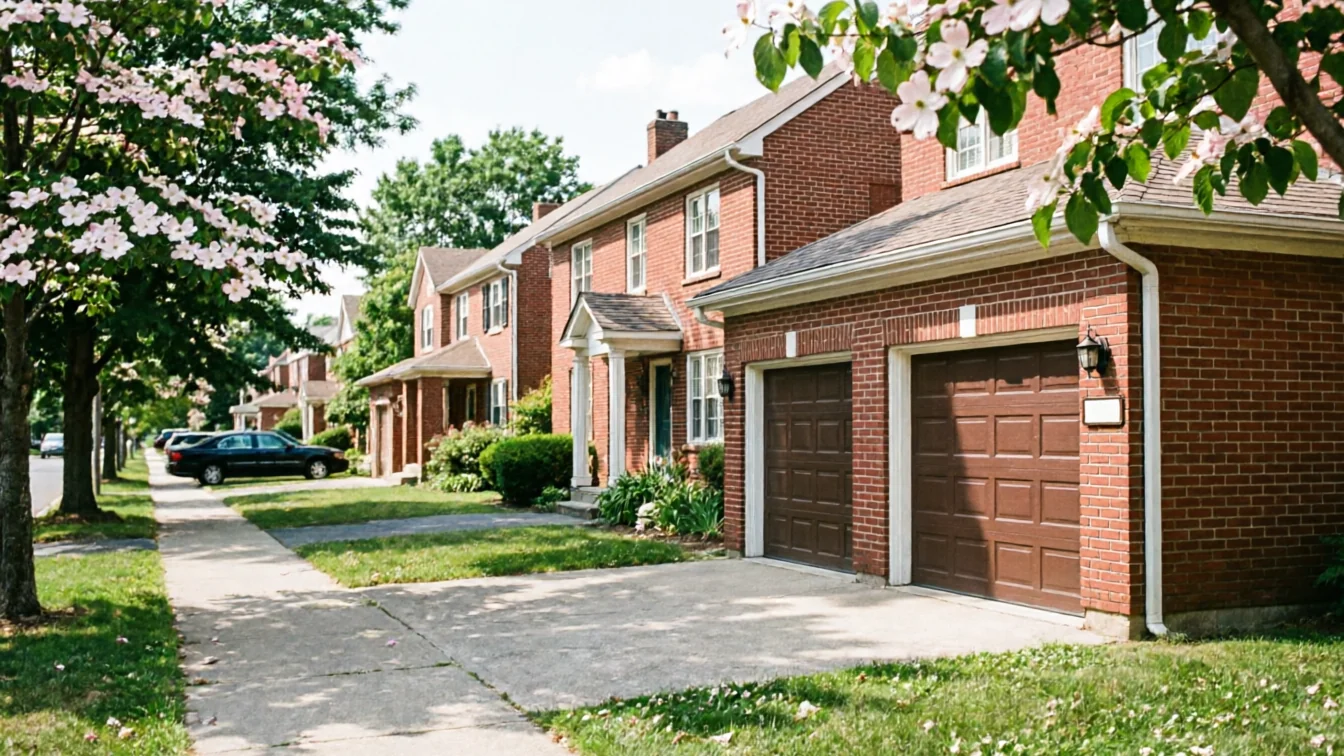
Dundalk's housing stock centers on 1955, which puts it ahead of the broader service area, where the median build year runs closer to 1978. That gap matters more than it sounds like it should. A door hung in the mid-1950s was almost certainly replaced at least once by now, but the opening itself, the track spacing, the header clearance, often still reflects the original framing from that era. We run into narrower headroom than newer construction allows, and older jamb brackets that weren't built with today's heavier insulated panels in mind.
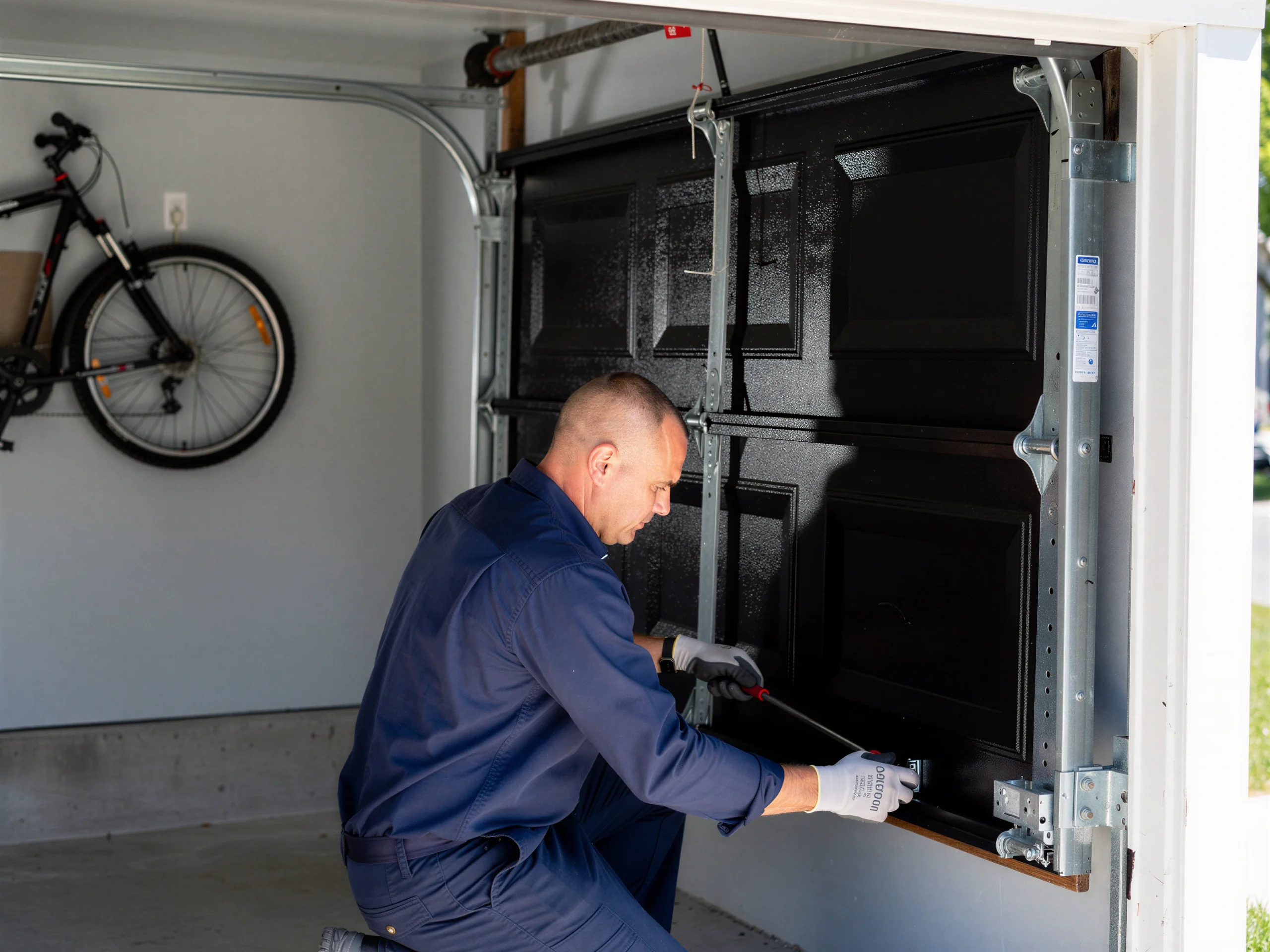
While most of the area's 58 named communities filled in during the 1960s and 70s boom, Dundalk's earlier start means a higher share of homes have gone through at least one full door replacement cycle, sometimes two. That's not a bad thing for us to find on a service call, but it does mean we're working around whatever hardware the last contractor left behind, not a clean factory setup. One honest limitation here: if the original jamb framing has shifted over seventy years, squaring a new door to it takes longer than a straight swap, and we'll tell you that before we quote the job, not after.