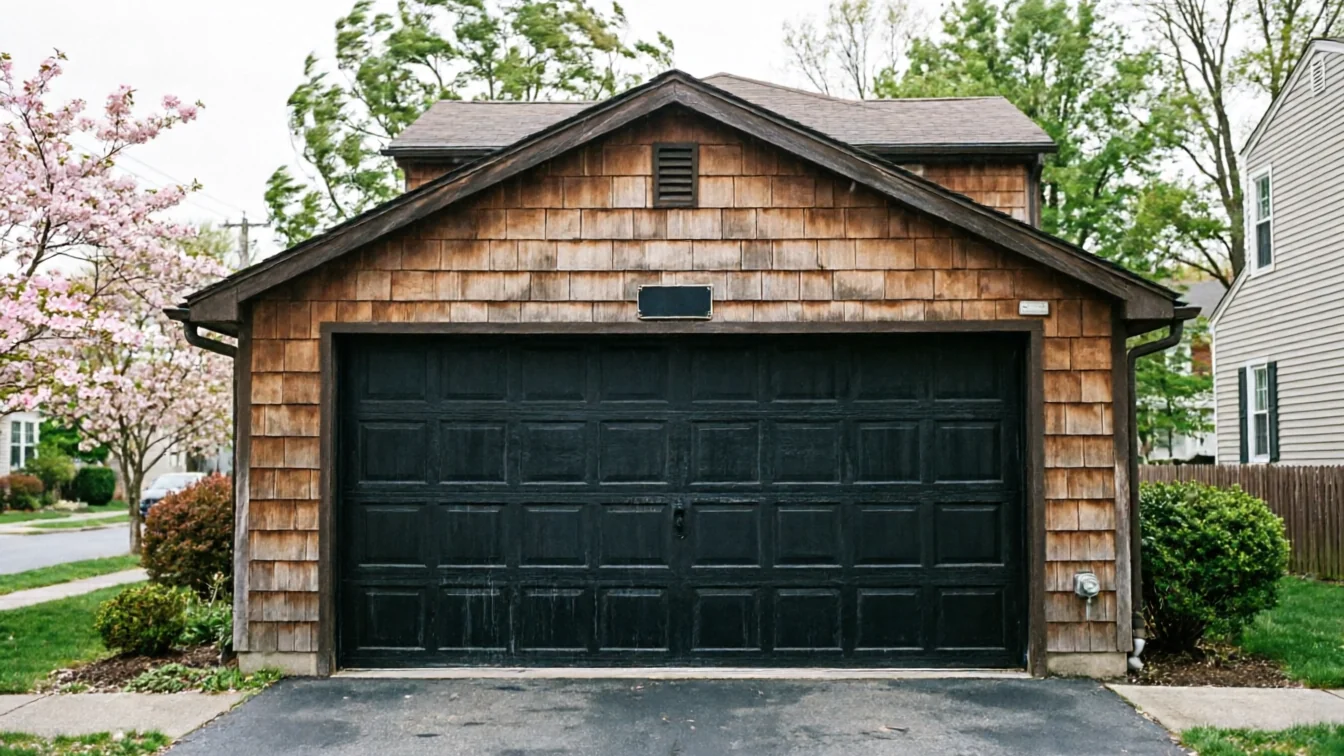
 Wind, Wide Doors, and the Houses Baltimore Actually Has
Why wide garage doors on Baltimore's 1960s-70s housing stock struggle with wind, what the cold-severe climate band does to track hardware, and what a repair runs.
BlogBaltimore, MD · 4 min read
What Baltimore Homeowners Should Know About Pre-Insulation Garage Doors
A look at why so many Baltimore garage doors predate insulation standards, what that means in a cold-severe climate, and how local owners should think about repair versus replacement.
Local detail
How Local Conditions Play In
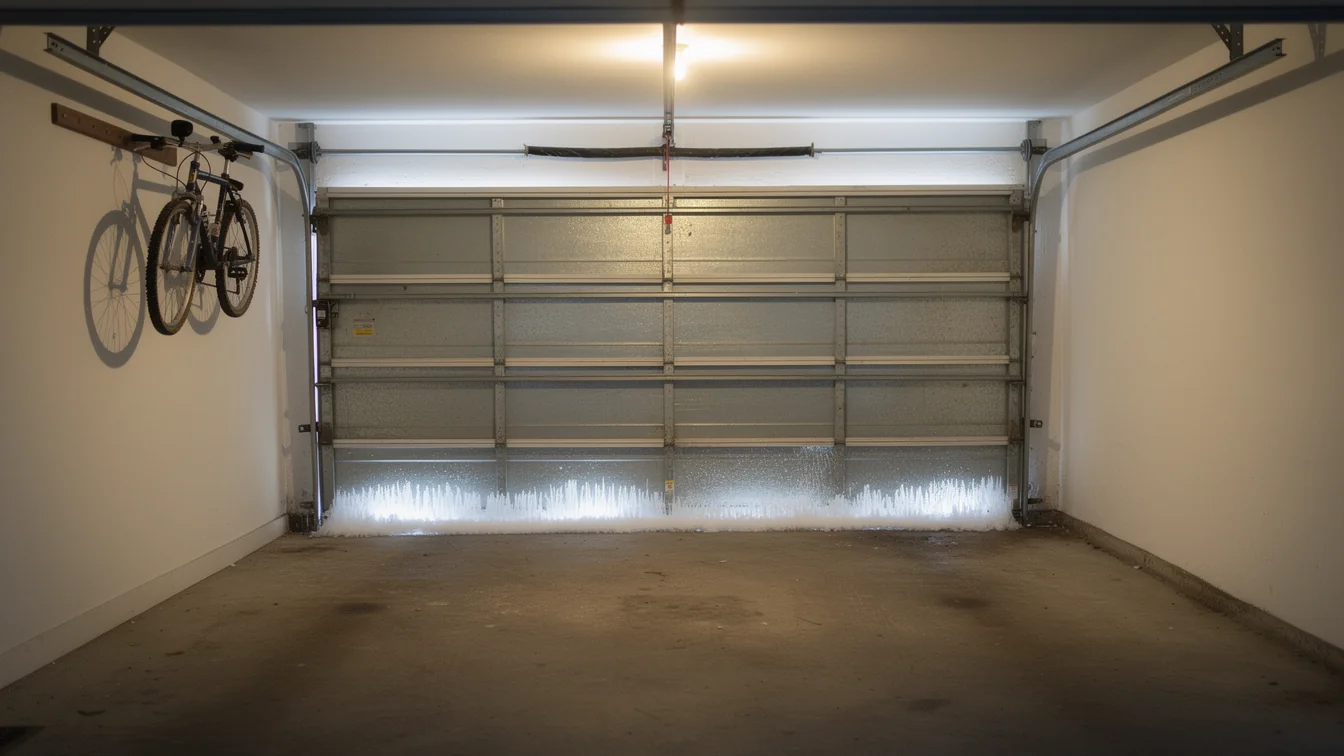
Baltimore sits in a cold-severe climate band, and that matters more for a garage door than most people assume. A door isn't just a moving panel - it's the largest uninsulated gap in a lot of these houses, and when the winter swing is wide, an old single-skin door turns the garage into a cold sink that pulls heat out of the rooms next to it. If you've got a bedroom or laundry room over or beside the garage, you've probably felt it: that one wall that never feels right no matter what the thermostat says. This isn't a hypothetical for Baltimore the way it might be somewhere milder. The housing stock here runs from 1955 to 2014, with the median build year landing at 1978, which puts a lot of these doors up before insulation requirements were part of standard door manufacturing. The door was built to keep rain and raccoons out, not to hold a temperature. Add the cold-severe climate on top of that and you get a predictable pattern: older panel, bigger swing, more complaint calls when the temperature drops hard in January.
The area
What Is Going On
Across the 58 named communities in this service area - from Lansdowne to Towson to Dundalk - the bulk of the garage doors still in use trace back to 1960s and 1970s construction. That's not a guess; it lines up with the median 1978 build year for housing across the region. Doors from that era are almost always a single layer of steel or wood with no foam core, no thermal break at the track, and weatherstripping that was never designed to do much more than keep out wind-driven rain. What's "going on" is simple: these doors are old enough that they're outliving their original hardware, but not so old that owners think of them as needing attention. A door can look fine, open and close fine, and still be doing almost nothing to separate the garage from the outside air. The panel isn't broken. It's just from before insulation rules existed, and nobody told the owner that matters until the heating bill or the frozen opener made it obvious.
What we find
What Most People Get Wrong
The most common mistake is treating insulation as a cosmetic upgrade instead of a structural-era issue. People add a space heater, or weatherstrip the bottom seal, and wonder why the garage still feels like an icebox. Weatherstripping helps at the gap - it does nothing for a steel panel with no core, which is what you're dealing with if your house falls in that 1960s-70s band that's typical across this area. The other thing people get wrong is assuming any door from that era is beyond saving. That's not always true. Some of these doors have sound frames and hardware; it's only the panel material that's behind the times. In those cases, a panel or full door swap can solve the problem without touching track or opener. Where I'll be straight with you: if the track is rusted through or the springs are original to a 1970s install, it's not worth insulating that door - you're better off replacing the whole unit rather than putting new skin on an old frame that's already failing elsewhere.
How we work
What You Pay
I'm not going to quote a number here, because what it costs depends on whether you're insulating an existing panel, replacing the whole door, or discovering mid-job that the track and springs need attention too - and that last one is common on original 1960s-70s installs. What I can tell you is how owners here tend to approach it. Median household income across this service area sits at $109,661, and most people treat a door replacement as a planned expense rather than an emergency one, unless a spring lets go first. That's the more typical path: the door's fine until it isn't, and then the insulation conversation happens at the same time as the repair conversation. If you're trying to budget ahead of a failure, the honest move is to get the door looked at before winter, not during the first hard cold snap, when everyone else with a 1978-era door is calling too.
Questions
Common questions
Is my garage door too old to insulate?
Not necessarily. If the track, rollers, and springs are sound, adding an insulated panel or door can work fine even on a frame from the 1960s or 70s. The deciding factor is the hardware underneath the skin, not the age of the house.
Why does my garage feel so cold even with the door closed?
Most doors built before insulation rules existed are a single layer of steel or wood with no foam core. In a cold-severe climate like Baltimore's, that uninsulated panel is doing almost nothing to hold heat, no matter how tight the seal around the edges is.
Does every house in this area have the same problem?
A lot of them do. Housing across this service area runs from 1955 to 2014 with a median build year of 1978, and the dominant stock across the named communities here is 1960s-70s construction - right in the window before insulated doors were standard.
Recommendation
You Might Also Like
More garage door guides for Baltimore homeowners.
Wind, Wide Doors, and the Houses Baltimore Actually Has
Why wide garage doors on Baltimore's 1960s-70s housing stock struggle with wind, what the cold-severe climate band does to track hardware, and what a repair runs.
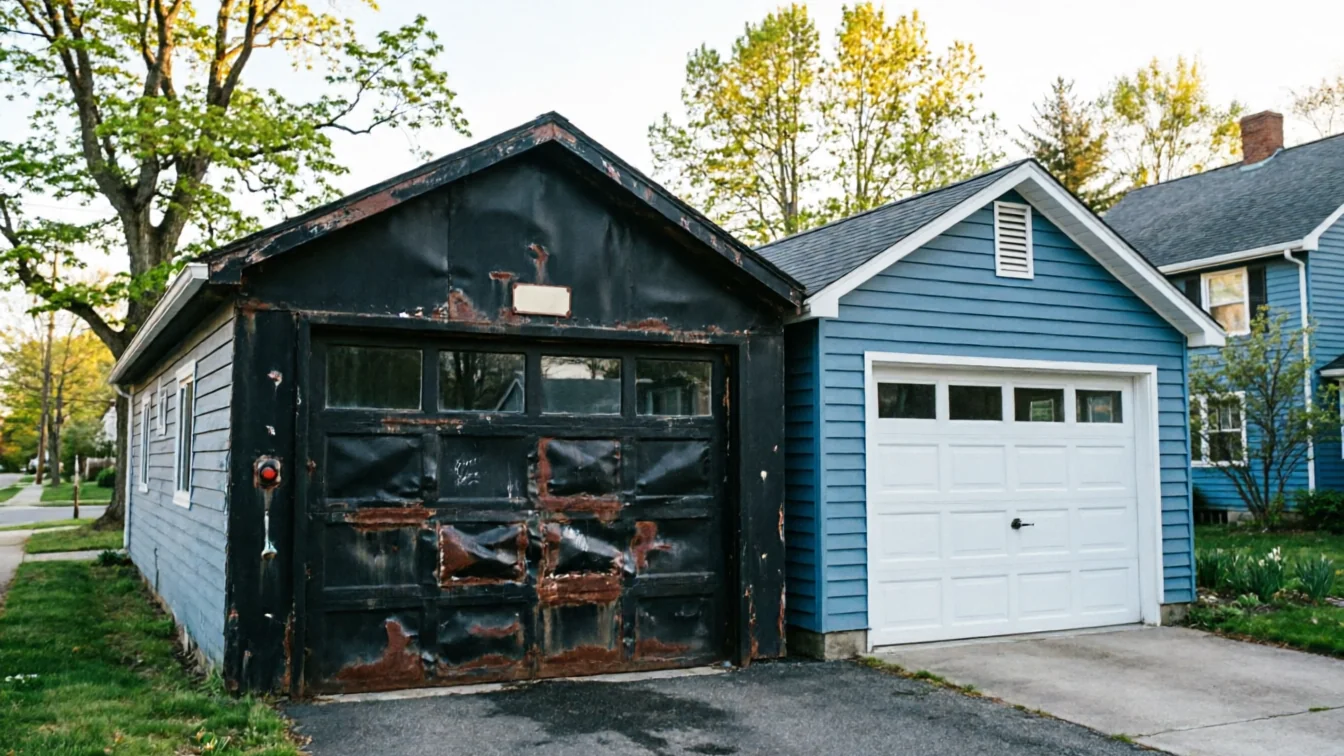 When Fixing the Door Stops Being Worth It
A guide for Baltimore homeowners on when a garage door repair stops making sense, based on the area's 1960s-70s housing stock and cold, humid climate.
 Detached and Attached Garage Doors Mean Different Jobs in Baltimore
How Baltimore's rowhouse alleys and 1960s-70s suburbs changed garage door design, and what that means for fire rating, insulation, and cold-weather performance.
Ready when you are
Need a garage door sorted in Baltimore?
Baltimore Garage Door Pros repairs and installs garage doors, springs and openers in Baltimore, MD and the surrounding area.