What the Repair Takes
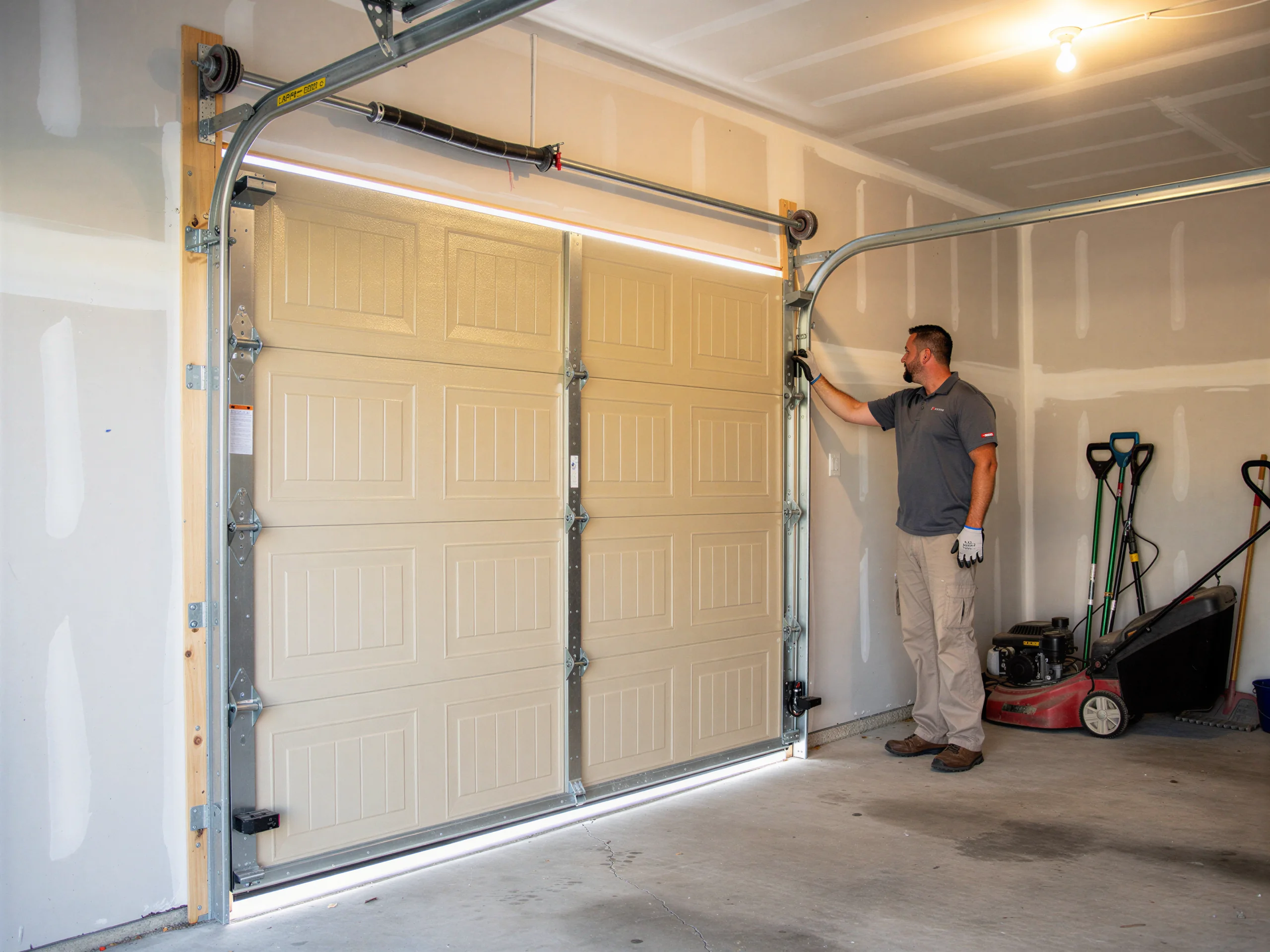
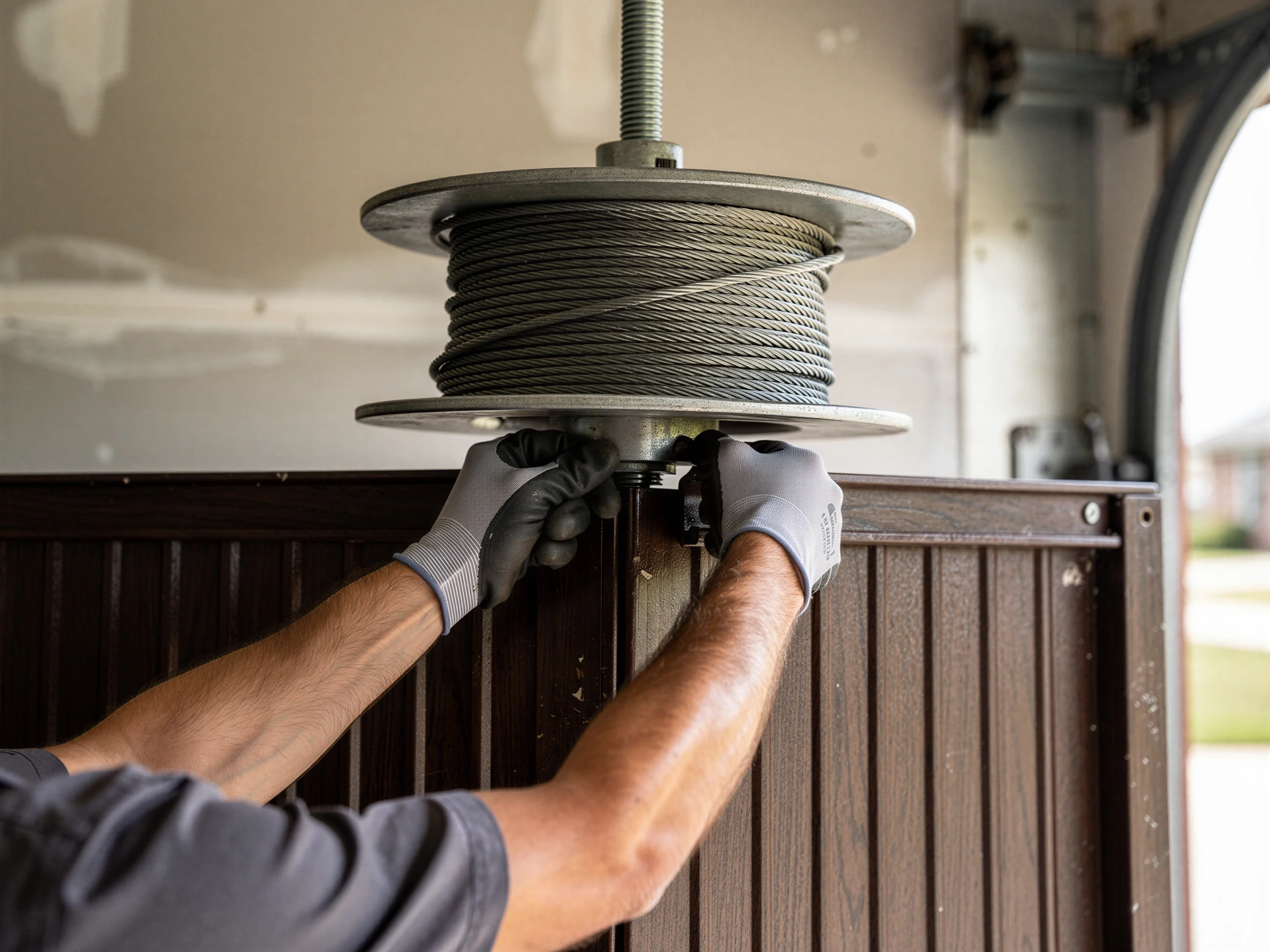
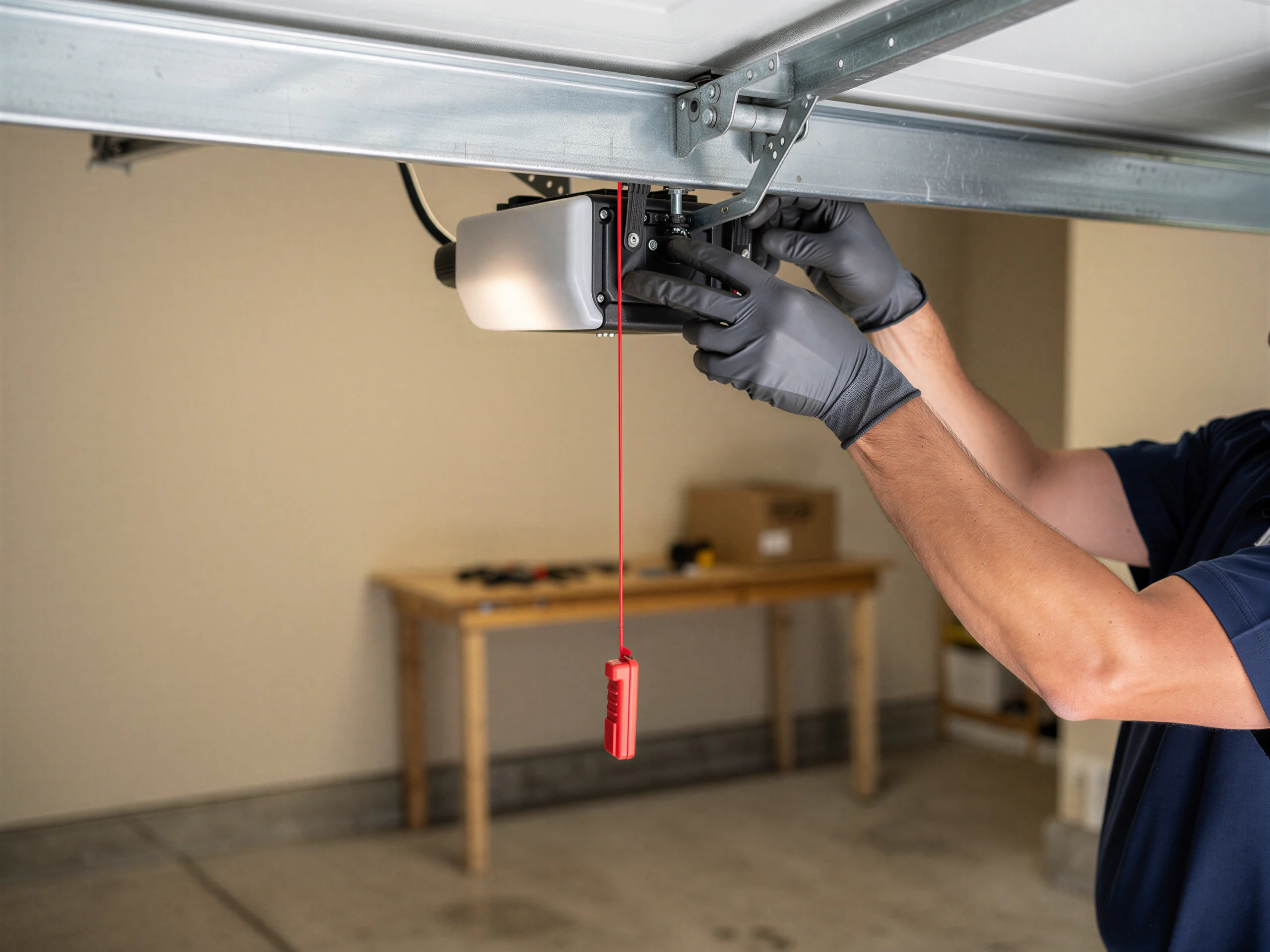
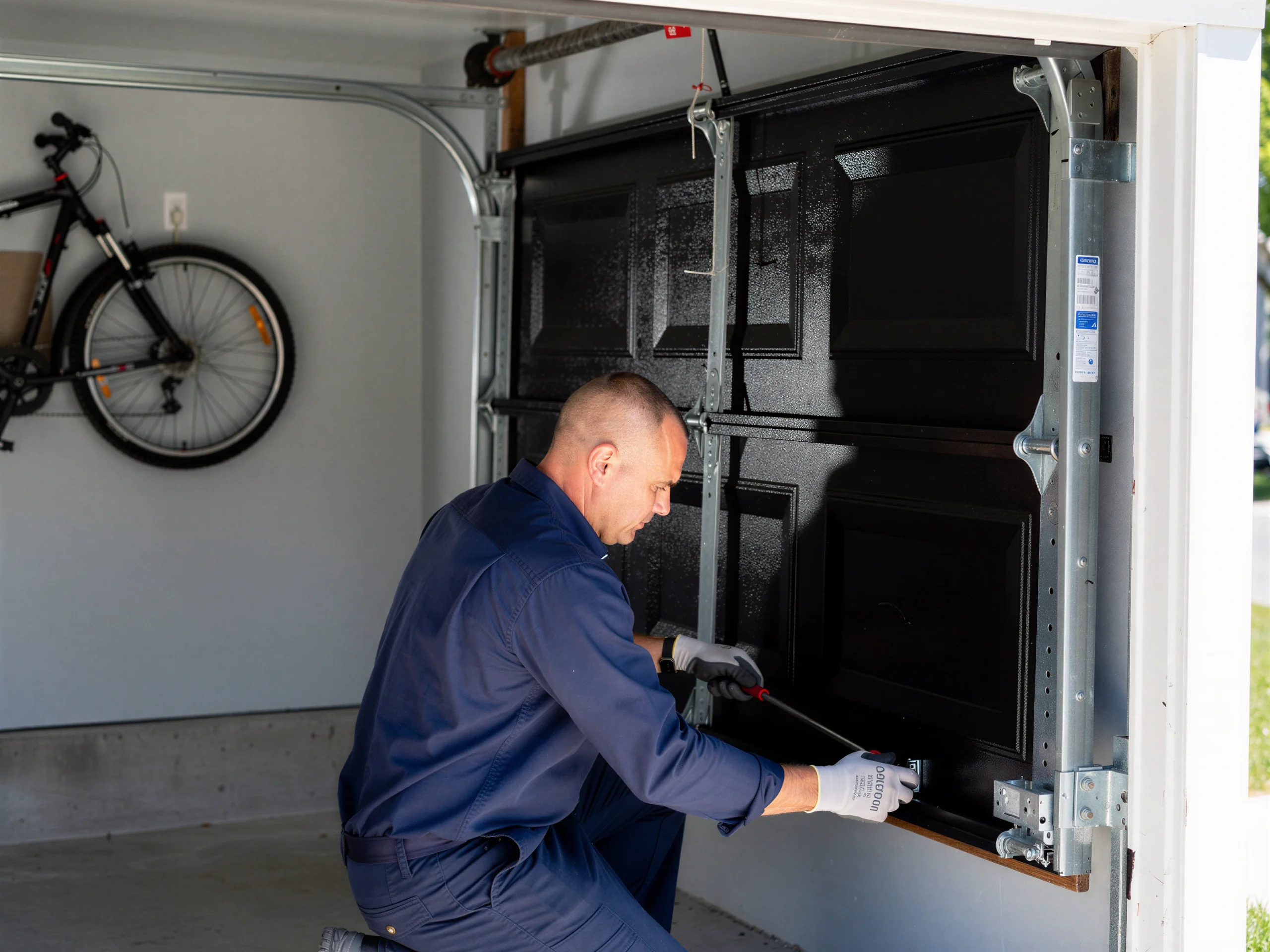
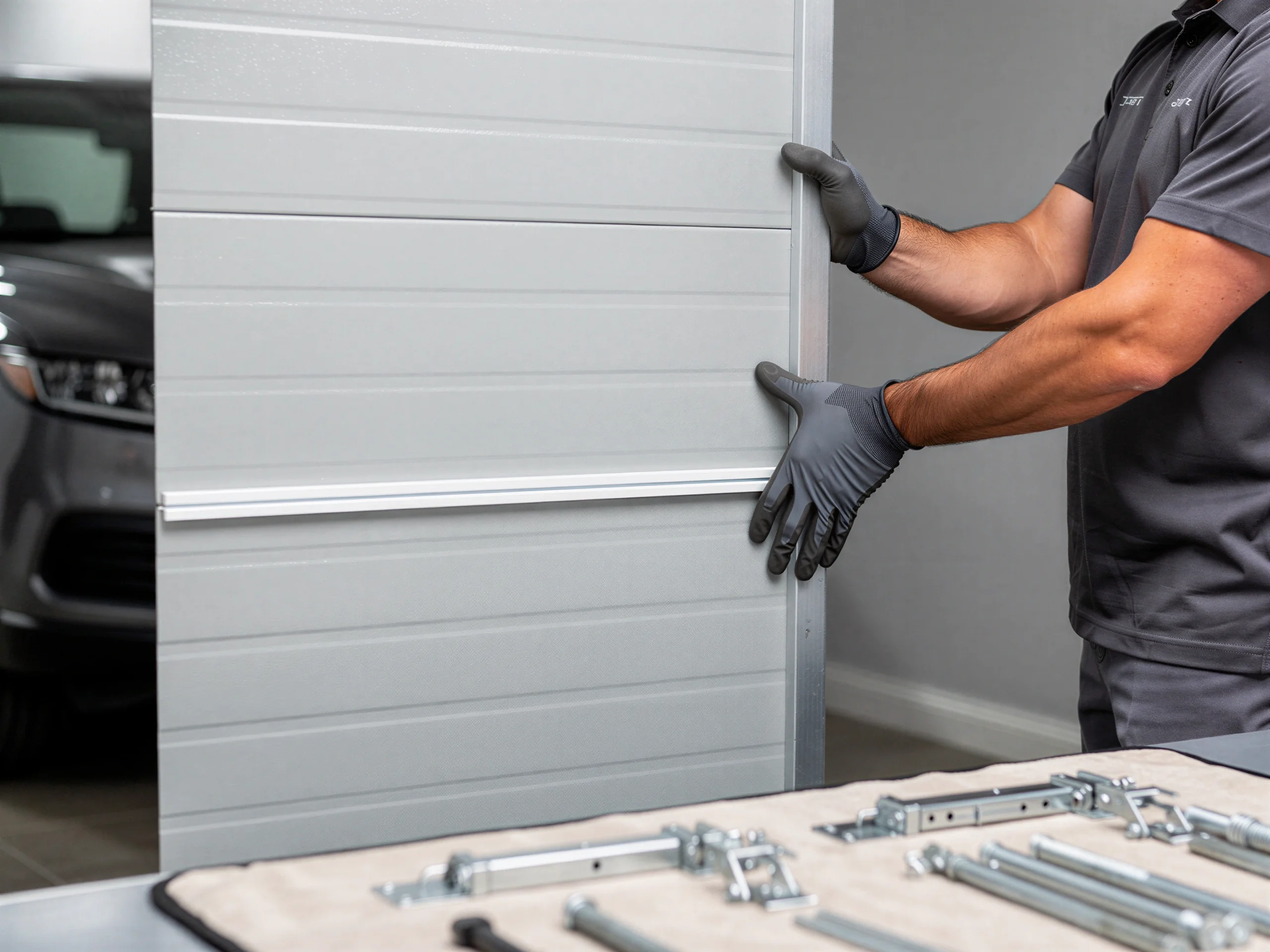
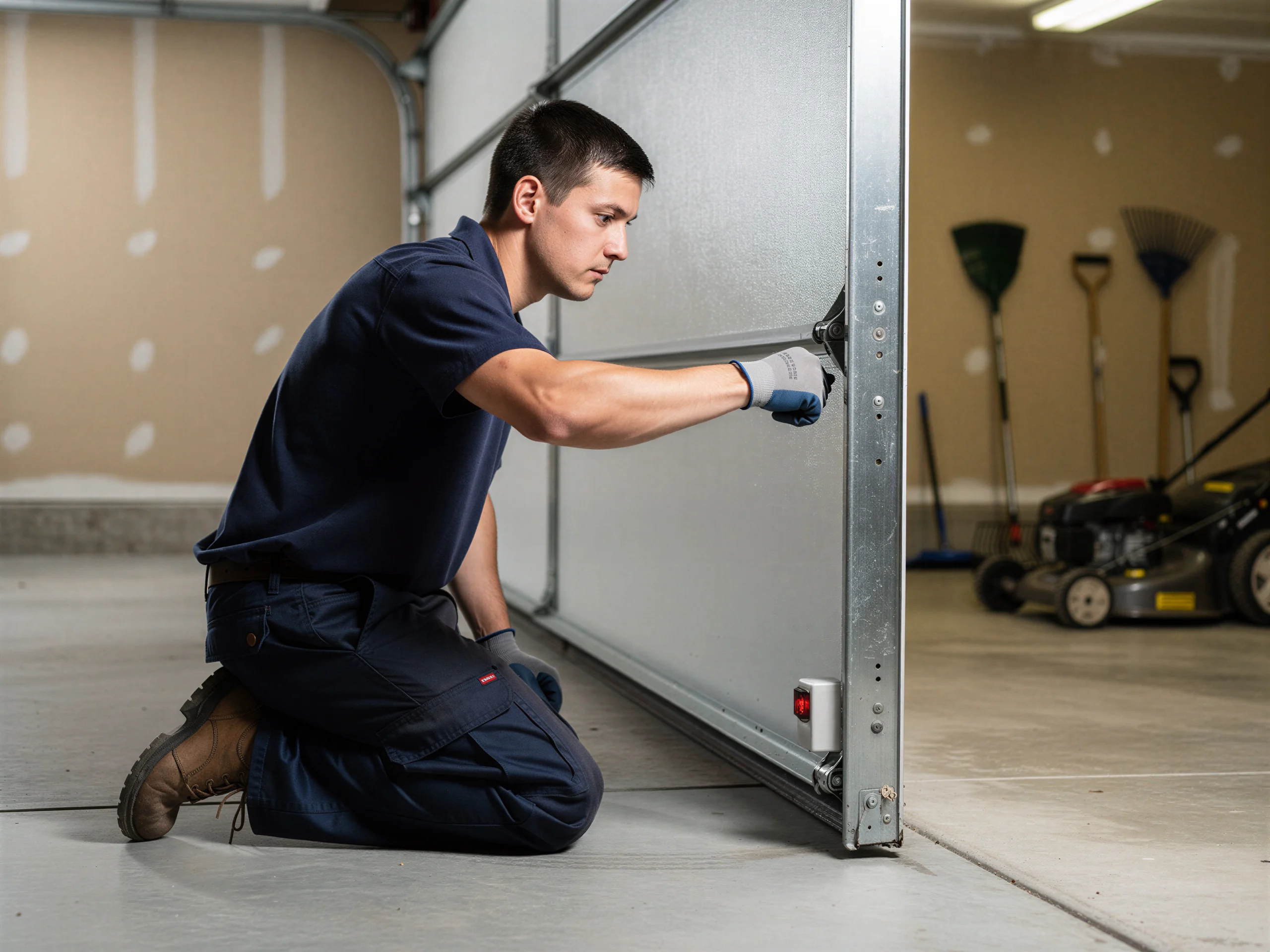
A real maintenance visit isn't a squirt of WD-40 and a wave goodbye. We check torsion spring tension, inspect the cables for fraying at the drum, run the track alignment on both sides, and test the opener's force settings so the door doesn't slam or stall.
Springs rated for lighter doors
Houses here mostly went up between 1955 and 2014, with the typical build year landing around 1978 - square in the era when torsion springs were rated for lighter doors than what's often hung on them today. That mismatch is the single most common thing we find and correct on a service call.
Steel roller and hinge fatigue
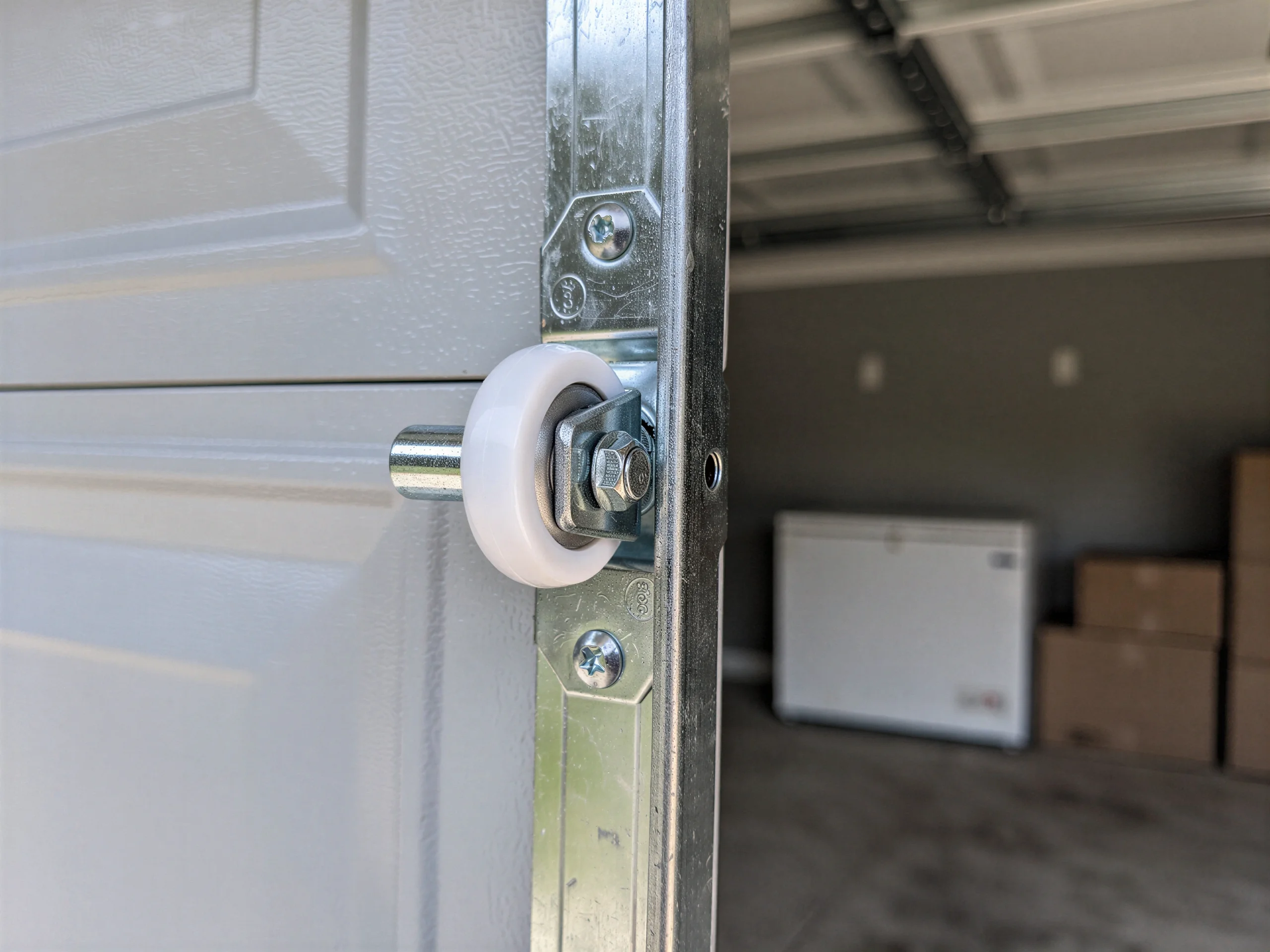
We also check the rollers and hinges for metal fatigue, since steel rollers on original 1960s and 70s hardware wear unevenly after decades of cold-weather contraction. On a lot of these doors, the bottom brackets and hinges have never been swapped, and that's often where play starts to show up first.
Unmatched original torsion parts
One honest limit: if your door is original to a 1960s or 70s build and the torsion hardware is sized for a panel that's been replaced since, we can't always pull a matching part off the truck. Some of that older hardware is an order-in, not a same-visit swap, and we'll tell you that up front instead of pretending otherwise.
How It Shows Up
The door starts hesitating halfway up, or it reverses right after the opener engages. Sometimes it's a grinding noise from one side of the track that wasn't there last month.
Stretched spring coil gap
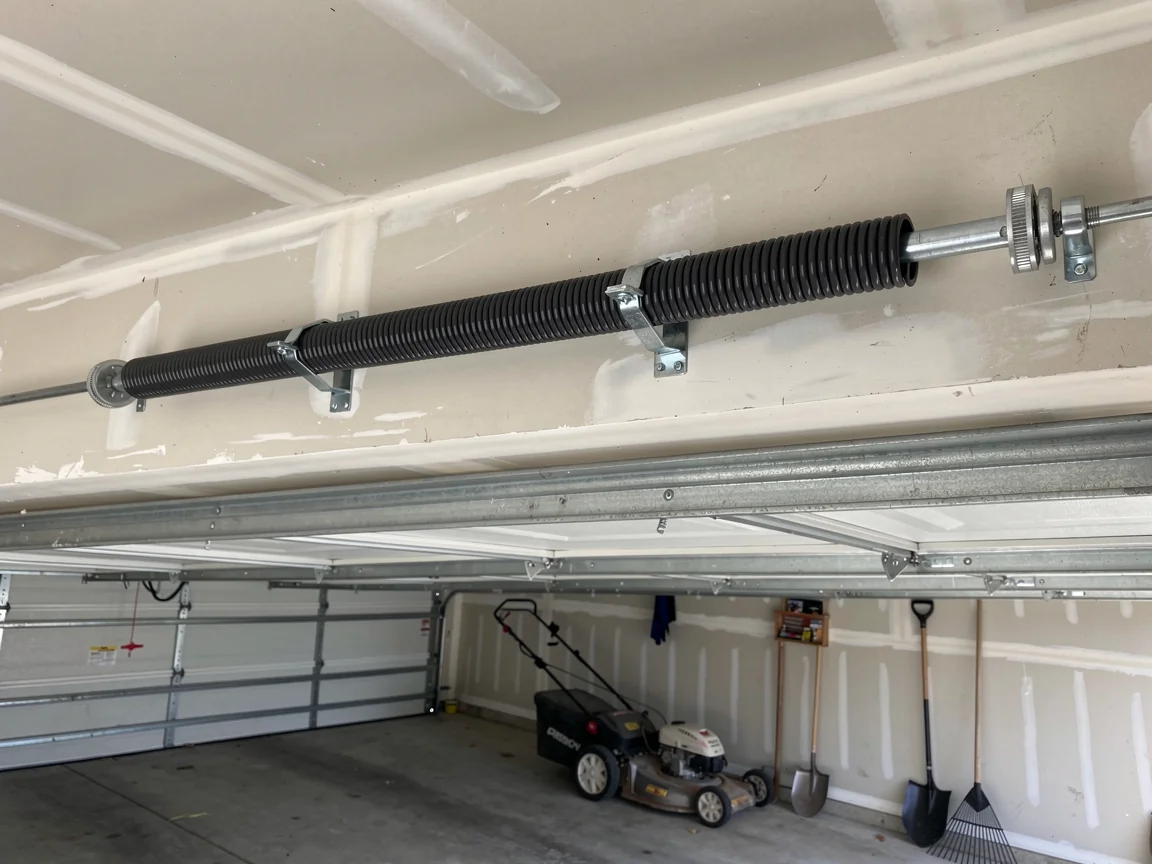
On an older torsion system, you might notice the spring looks stretched or has a visible gap in the coil - that's tension loss, and it gets worse fast once it starts.
Seasonal dragging in winter
In a cold-climate band like this one, the symptoms often show up seasonally. A door that worked fine in September starts dragging in December because the lubricant in the rollers has stiffened and the cable has lost a fraction of its flex.
Common call symptoms
Owners usually call us describing one of three things: a door that's suddenly heavier to lift by hand, an opener that runs but the door barely moves, or a loud bang from the spring area that means something already failed. If you're hearing metal-on-metal squeal every time the door cycles, that's usually the rollers, not the opener, and it's worth catching before it wears a groove into the track.
What Causes It Around Here
Baltimore sits in a cold-climate band the federal data marks as severe, and that swing between freeze and thaw is what snaps cables that looked fine in October. Steel contracts in the cold, and a spring or cable with marginal tension to begin with loses what little margin it had. That's a bigger factor here than it would be in a milder climate, because the number of freeze-thaw cycles each winter puts repeated stress on the same metal fatigue points.
The other driver is the housing stock itself. Across the 58 named communities in this service area, the dominant era of construction is the 1960s and 70s, with the overall range running 1955 through 2014. A lot of garages still have their original torsion hardware, sized for the lighter doors that were standard forty or fifty years ago. When a heavier insulated door gets swapped in later without upgrading the spring, the hardware is working harder than it was built for every single cycle.
Put those two together - original-era hardware and a severe cold band - and you get the same failure pattern on service calls across the area, not a one-off.
How Long You Are Without the Door
We won't quote a repair window we can't back up, since it depends on what's actually failed and whether the part is one we carry or one we have to order.
Same-visit roller swaps
A spring adjustment or a roller swap is usually finished the same visit. A torsion spring sized to match an older 1960s or 70s door sometimes is not something we have on the truck, and that visit may need a return trip once the part is in.
Pre-winter check reasoning
Across the 489,099 households in this service area, 177,541 are owner-occupied houses, and a good share of those garages still carry original hardware from the build era. That volume is part of why we recommend a maintenance check before the cold sets in rather than after something breaks - a scheduled visit catches the worn cable or the loose bracket while it's still an adjustment, not an emergency.
Replacing worn openers
With median household income here at $109,661, we see more owners choosing a clean opener or spring replacement over nursing a worn-out 40-year-old unit through another winter, which usually ends up being the faster path back to a working door than repeated patch repairs.
Talk to a local pro
Garage door service in Baltimore?
Same-day service with honest, upfront quotes.