
The Complications
Across the broader Baltimore service area, the median home was built in 1978, with stock spanning 1955 through 2014. Brooklyn Park sits at the early edge of that range - its median build year is 1955, meaning a large share of garage doors here were installed, and in many cases never replaced, during an era when track widths, spring tension charts, and opener mounting hardware all followed different standards than what's sold today.
Patched door, multiple openers
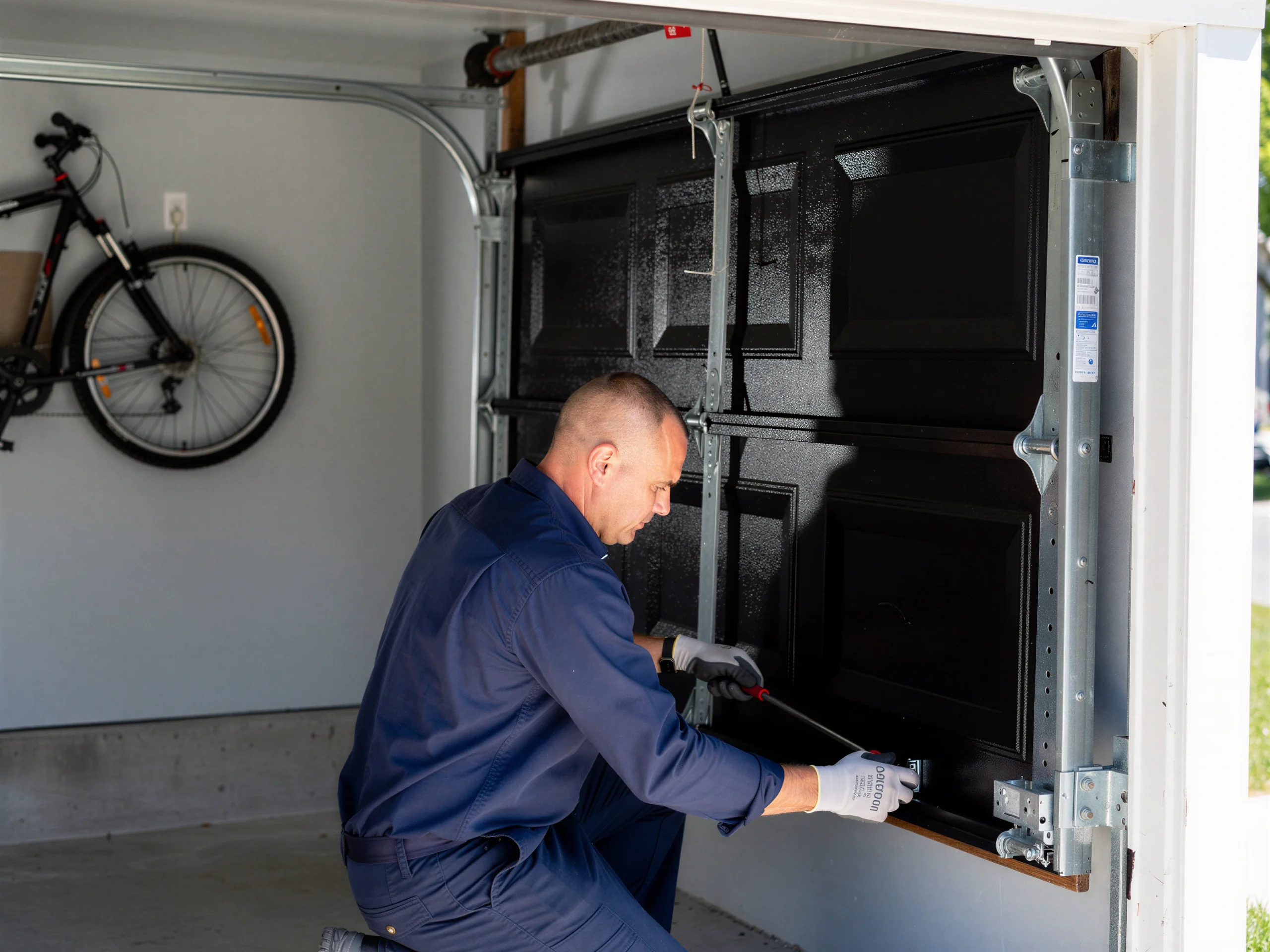
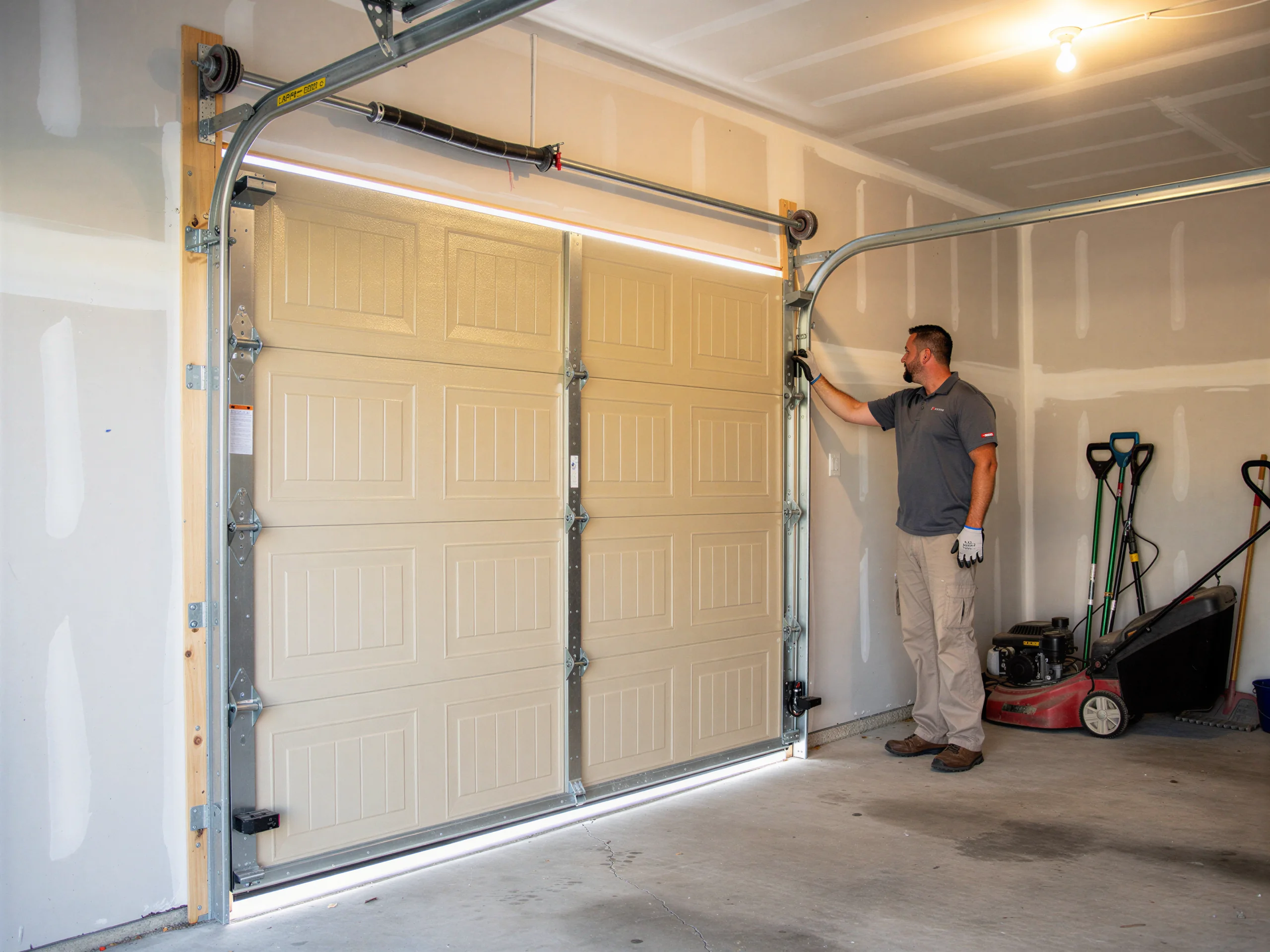
A door that's been patched piece by piece since the Eisenhower administration doesn't behave like a 2005 build. Springs wear differently when they've outlived two or three openers bolted onto the same bracket. Tracks that were plumb when the house was framed in 1955 have usually shifted with six decades of settling.
Housing predating modern parts
We also work this area as part of the wider Baltimore service territory, which covers 489,099 households and 177,541 owner-occupied houses - but the specific complication in Brooklyn Park is that so much of the housing predates the modern parts catalog.
Special-ordering old brackets
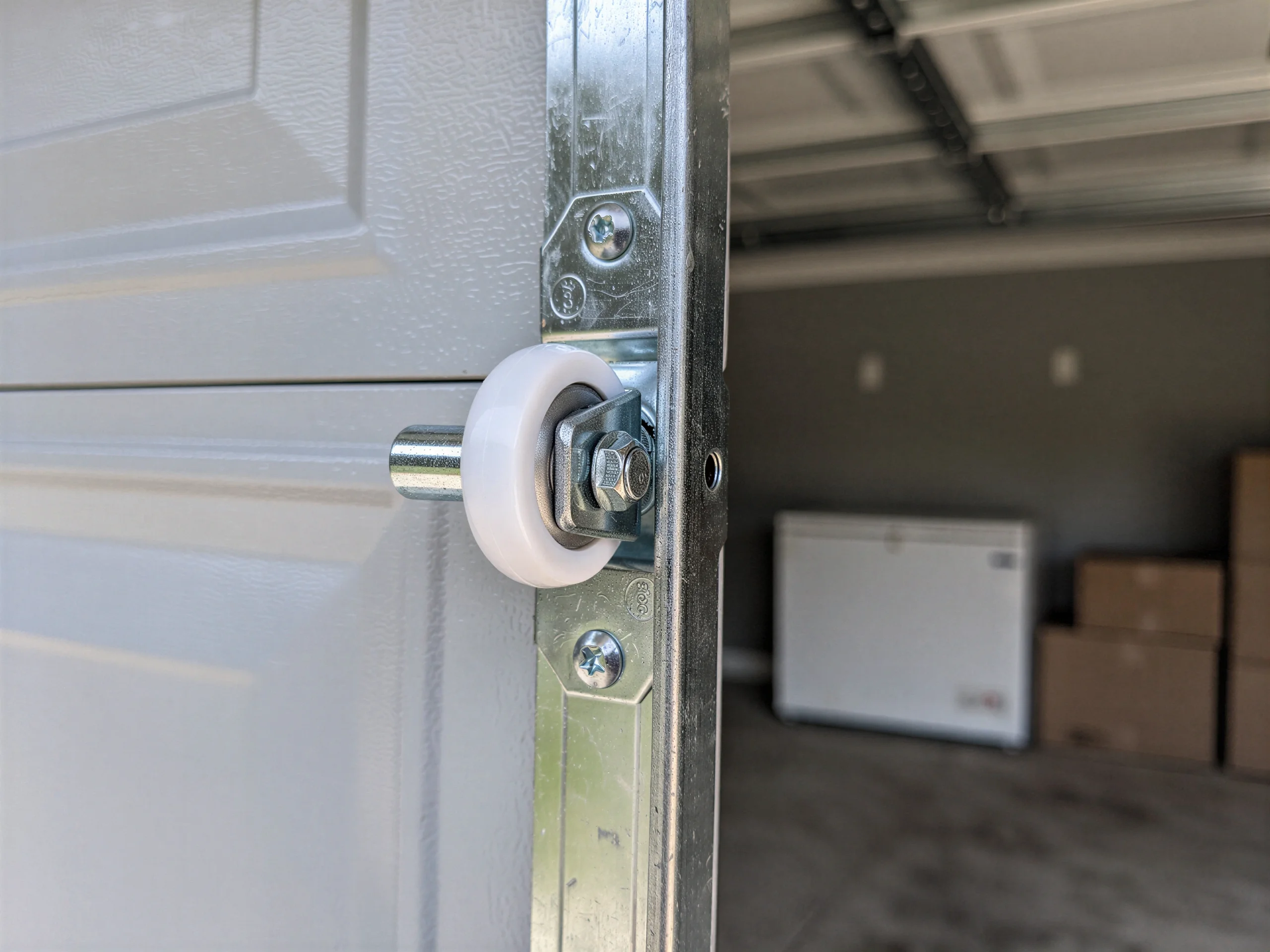
That means more measuring, more adapting, and occasionally a part that has to be special-ordered because nobody stocks the old bracket spacing anymore. We're upfront when that's the case rather than forcing a modern part to fit.
Can You Do This Yourself
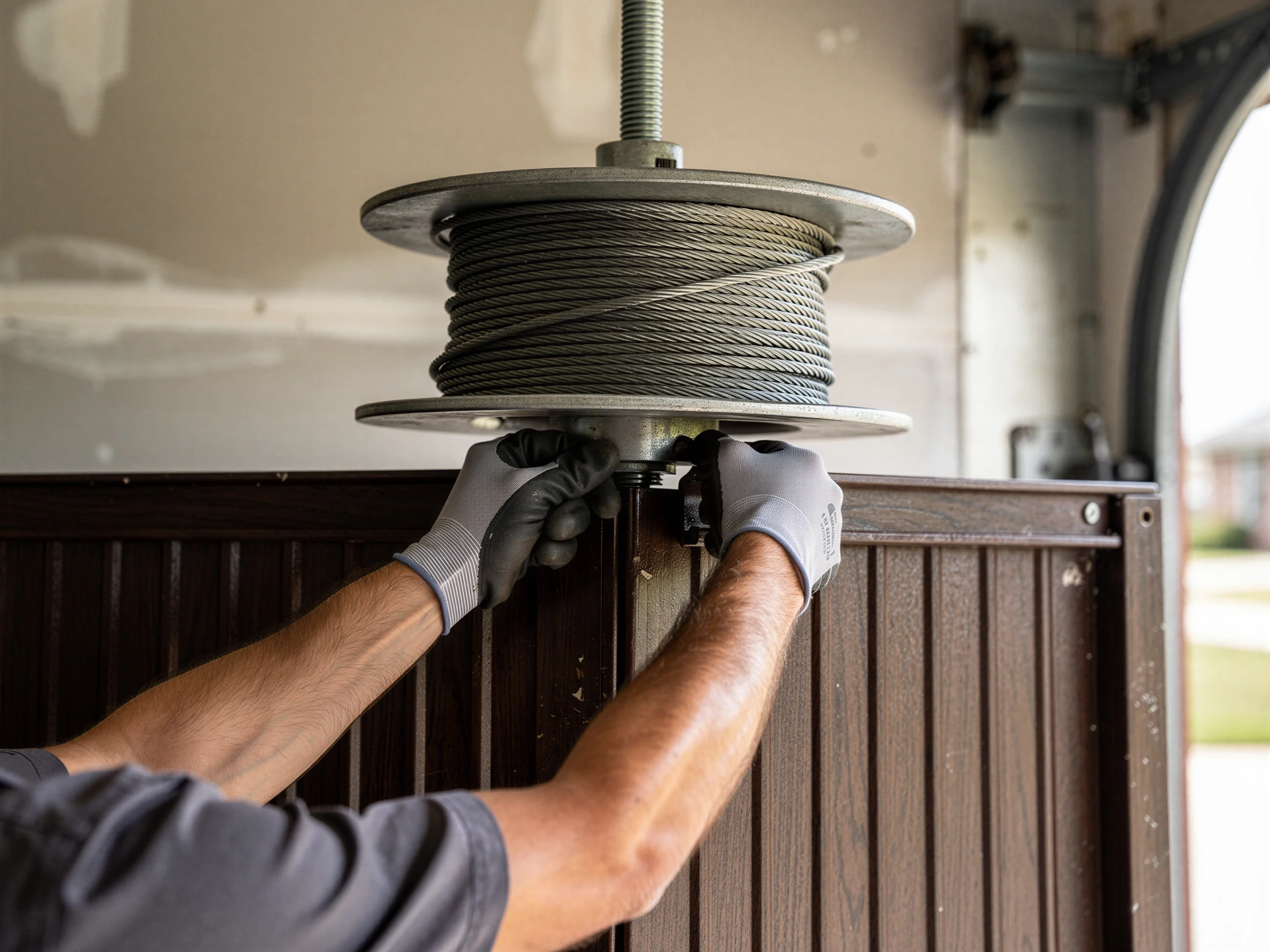
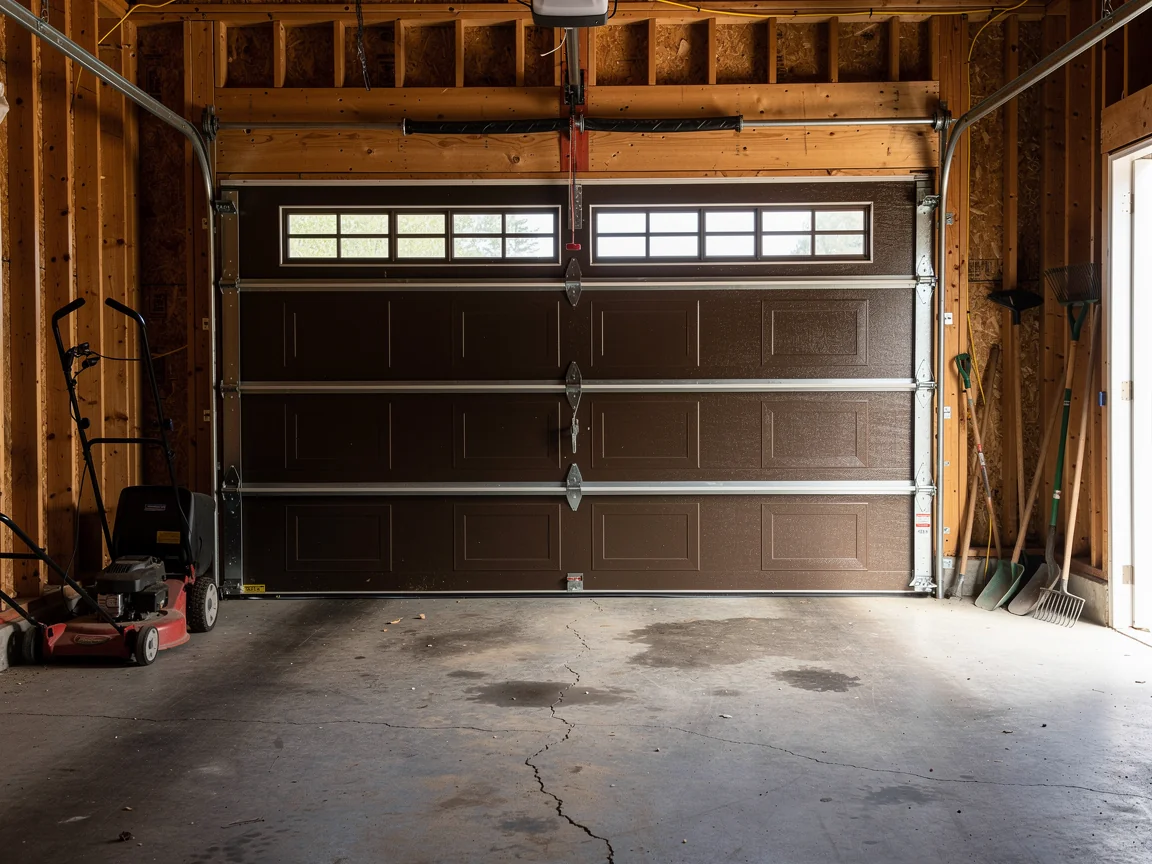
If your door is original to a 1955 build, a torsion spring job is not a reasonable DIY project - the wind patterns and drum sizing on older setups are inconsistent even house to house, and getting it wrong under tension is how people get hurt. Lubricating hinges, tightening loose roller brackets, and testing the auto-reverse safety feature on the opener are fine to do yourself and worth doing regularly, especially given the region's cold-severe climate band, which stiffens grease and metal in winter and makes worn parts fail sooner than they would in a milder climate. Where we draw the line: anything involving the spring itself, the cable under tension, or bent track on an older frame. We'll tell you honestly when a job is a twenty-minute fix you could've done yourself - we'd rather say that than bill for it.
What You Pay
We don't have a published price list specific to Brooklyn Park to quote here, and we're not going to invent one.
Parts availability drives price
What we can say is that cost on these jobs tracks closely with age and parts availability, not just labor. Brooklyn Park's median household income is $84,276, noticeably below the service area's broader median of $109,661, and that gap matters when we're scoping a job - we try to spec repairs that match what the hardware actually needs rather than upselling a full replacement when a targeted repair on the existing track and spring will hold.
Obsolete brackets cost more
With 5,540 households in Brooklyn Park, most sitting on 1955-era lots, the honest answer is that a straightforward spring replacement costs less than hunting down an obsolete bracket or adapting a 2024 opener to a frame that was never built to hold one.
What Causes It Around Here
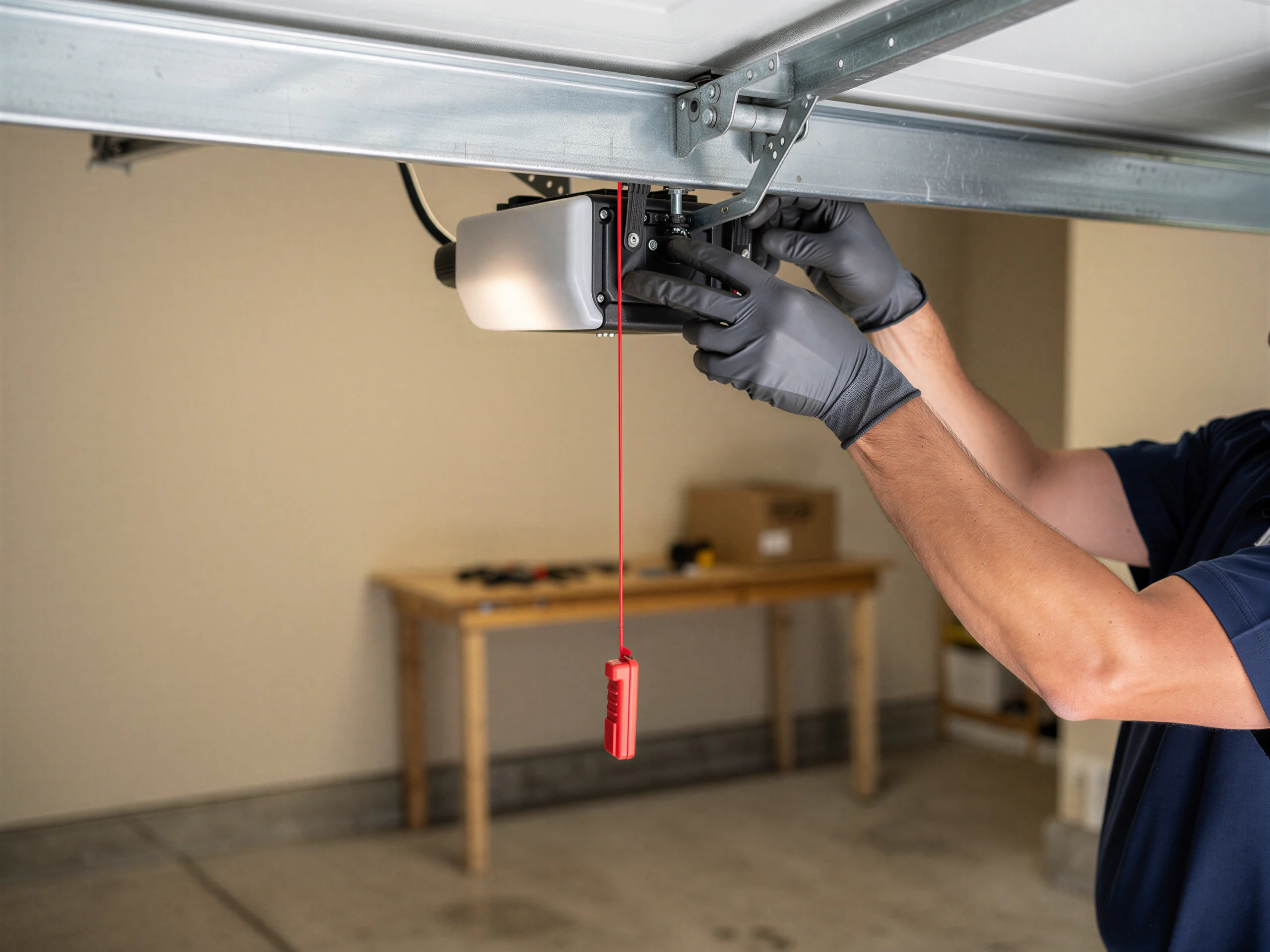
The cold-severe climate band covering this region is hard on any garage door, but it's harder on hardware that's 60-plus years old. Metal contracts in winter, and on a 1955-built frame that's already shifted with decades of settling, that contraction is enough to bind a track that was fine in August. We also see openers in Brooklyn Park that have been swapped two or three times over the life of the same door - each swap adding a slightly different mounting point to brackets that were sized for 1950s hardware, not a modern chain-drive unit. Add six miles of travel from our Baltimore base and the pattern we see most in this specific suburb is deferred maintenance on original housing stock rather than anything dramatic. It's rarely one single event - it's sixty years of small shifts catching up with the door at once.
Talk to a local pro
Garage door service in Baltimore?
Same-day service with honest, upfront quotes.